
“`html
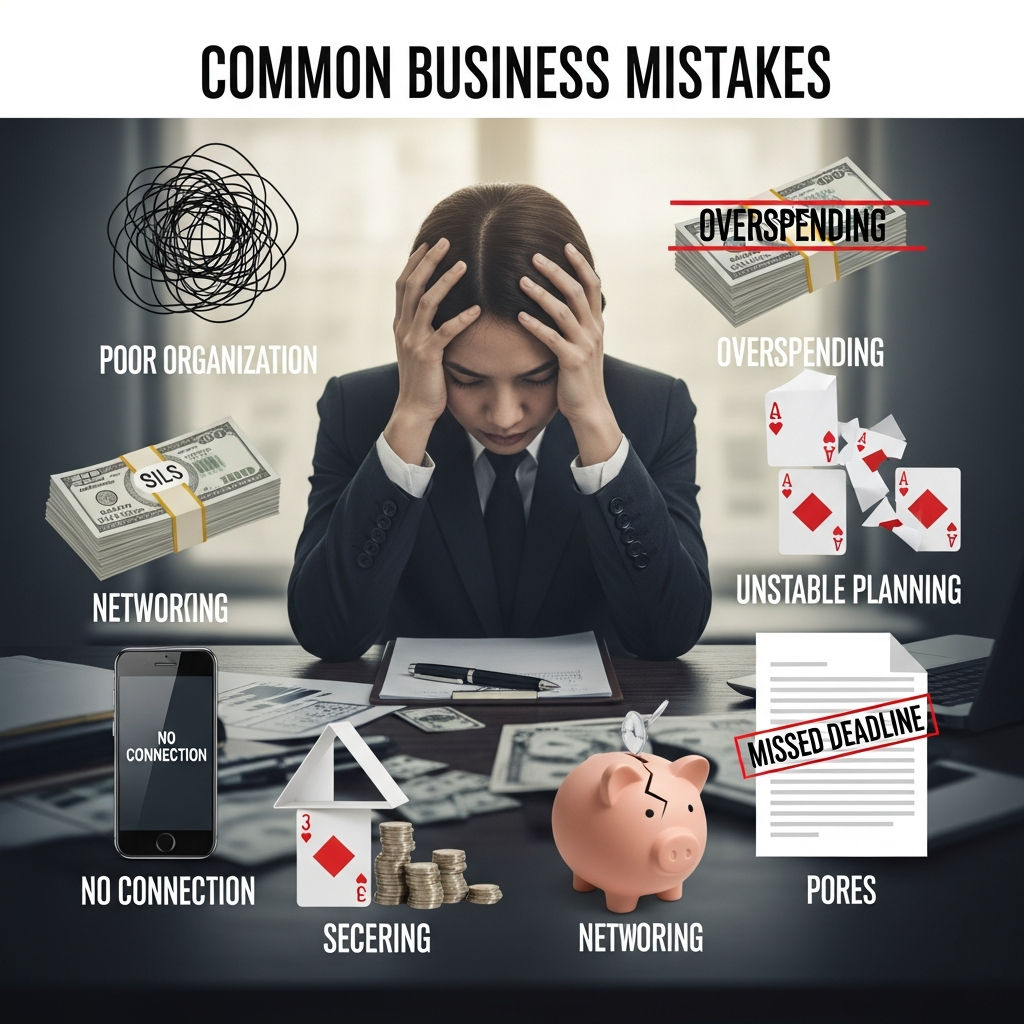
10 Common Mistakes People Make with Business & How to Avoid Them
Starting a business is an exciting journey filled with potential, innovation, and the promise of independence. However, the path to success is often fraught with challenges, and many aspiring entrepreneurs – and even seasoned business owners – fall prey to common pitfalls that can derail their ventures. Understanding these prevalent mistakes is the first crucial step towards building a resilient and prosperous business. By learning from the experiences of others, you can strategically navigate the complexities of the market, protect your investment, and significantly increase your chances of long-term success. This article will delve into ten of the most common business mistakes and provide practical advice on how to sidestep them.
The Road to Success: Avoiding Common Business Errors
Whether you’re launching a startup, growing an established small business, or simply dreaming of entrepreneurship, being aware of these common errors is invaluable. Let’s explore them one by one.
1. Lacking a Clear Business Plan
One of the most fundamental business mistakes is failing to create a comprehensive business plan. Many entrepreneurs jump into action with a great idea but without a roadmap. A business plan isn’t just for securing funding; it’s a living document that outlines your goals, strategies, target market, financial projections, and operational details. Without it, you’re essentially sailing without a compass, making it incredibly difficult to stay on course or adapt to unexpected storms.
- How to Avoid: Invest time in developing a detailed business plan. Research your market, define your unique selling proposition (USP), set SMART (Specific, Measurable, Achievable, Relevant, Time-bound) goals, and project your financials. Regularly review and update your plan as your business evolves.
2. Ignoring Market Research
Many entrepreneurs fall in love with their product or service idea without adequately researching if there’s a genuine demand for it. They assume their idea is brilliant and everyone will want it. This oversight can lead to building a business around a solution no one needs or a market that’s too small to sustain profitability. Understanding your potential customers, their needs, pain points, and existing solutions is paramount.
- How to Avoid: Conduct thorough market research before significant investment. Talk to potential customers, analyze competitors, use surveys, focus groups, and data analytics to validate your idea and identify your target audience. Understand what problem you’re solving and for whom.
3. Poor Financial Management and Cash Flow Issues
Cash flow problems are a leading cause of business failure. Many businesses, even profitable ones on paper, struggle and fail because they don’t have enough liquid cash to cover their expenses. This often stems from poor budgeting, inadequate pricing, slow invoicing, or overspending. A lack of understanding of financial statements (profit & loss, balance sheet, cash flow statement) can quickly lead to disaster.
- How to Avoid: Develop a robust financial plan and budget. Monitor your cash flow religiously, ensuring you have enough reserves to cover operating costs. Price your products/services correctly, manage accounts receivable efficiently, and track all expenses. Consider professional accounting help if needed.
4. Neglecting Marketing & Sales
Having an amazing product is only half the battle; people need to know it exists and be persuaded to buy it. Many businesses focus heavily on product development but neglect their marketing and sales efforts. They expect customers to magically appear, leading to a fantastic offering gathering dust on a virtual or physical shelf. Effective outreach is essential for growth.
- How to Avoid: Allocate a significant portion of your time and budget to marketing and sales. Develop a multi-channel marketing strategy (social media, content marketing, SEO, email, traditional advertising). Understand your sales funnel and actively pursue leads.
5. Failing to Adapt to Change
The business world is constantly evolving, driven by technological advancements, shifting consumer preferences, and new competitors. A common mistake is clinging to outdated strategies or products, refusing to adapt. Businesses that don’t innovate or respond to market changes risk becoming obsolete, unable to compete effectively in a dynamic environment.
- How to Avoid: Foster a culture of continuous learning and innovation. Stay informed about industry trends, competitor activities, and technological advancements. Be flexible with your business model, products, and services, ready to pivot when necessary to meet new demands.
6. Trying to Do Everything Yourself (Poor Delegation)
Entrepreneurs are often passionate and driven, but the desire to control every aspect of the business can lead to burnout, inefficiency, and stunted growth. Trying to be the sole expert in sales, marketing, finance, operations, and product development means you’re likely doing none of them exceptionally well. This limits your capacity for strategic thinking and core business activities.

- How to Avoid: Learn to delegate effectively. Identify tasks that can be outsourced or handled by skilled employees. Build a strong team whose strengths complement your own. Focus your energy on what you do best and what directly impacts the business’s strategic direction.
7. Underpricing Products or Services
New businesses, especially, often make the mistake of underpricing their offerings, believing it will attract more customers. While competitive pricing is important, setting prices too low can devalue your brand, attract the wrong type of customer, and most critically, prevent you from covering costs, making a profit, or investing in growth. It’s a fast track to financial distress.
- How to Avoid: Conduct a thorough cost analysis (including your time, materials, overhead). Research competitor pricing, but don’t blindly follow. Understand the perceived value of your product/service and price accordingly to reflect quality and generate a healthy profit margin. Don’t be afraid to charge what you’re worth.
8. Ignoring Customer Feedback
Your customers are your most valuable resource for improvement. A common mistake is to operate in a vacuum, assuming you know what your customers want without ever asking them. Ignoring feedback, whether positive or negative, means missing crucial opportunities to enhance your products, services, and overall customer experience, leading to dissatisfaction and churn.
- How to Avoid: Actively solicit and listen to customer feedback through surveys, reviews, social media, and direct conversations. Create channels for feedback and demonstrate that you value their input by implementing changes based on what you learn.
9. Poor Time Management
For entrepreneurs, time is arguably their most precious commodity. Many business owners struggle with juggling multiple responsibilities, getting bogged down in low-value tasks, and failing to prioritize. This leads to missed deadlines, reduced productivity, and important strategic initiatives falling by the wayside, ultimately hindering progress.
- How to Avoid: Implement effective time management strategies. Prioritize tasks using methods like the Eisenhower Matrix (urgent/important). Block out time for critical activities, minimize distractions, and delegate when possible. Regularly assess how you’re spending your time.
10. Giving Up Too Soon / Lack of Persistence
Building a successful business is rarely an overnight phenomenon. It requires immense patience, resilience, and persistence. A significant number of businesses fail not because their idea was bad, but because the founders gave up too soon at the first sign of difficulty, setback, or slow growth. The entrepreneurial journey is a marathon, not a sprint.
- How to Avoid: Cultivate a resilient mindset. Understand that setbacks are part of the process and learning opportunities. Stay committed to your vision, seek mentorship, and celebrate small victories to maintain motivation. Analyze failures, learn from them, and keep pushing forward.
Conclusion: Learn, Adapt, and Thrive
The world of business is dynamic and challenging, but it’s also incredibly rewarding. By understanding and actively working to avoid these ten common business mistakes, you can significantly improve your chances of success. It’s not about being perfect, but about being proactive, learning from errors (both your own and others’), and continuously adapting your strategies. Embrace a mindset of continuous improvement, seek knowledge, build a strong network, and always be ready to refine your approach. Your journey as an entrepreneur will be filled with obstacles, but with careful planning and an awareness of these pitfalls, you can navigate them effectively and build a truly thriving enterprise.
Ready to Elevate Your Business?
Take these insights and apply them to your venture today. Proactive prevention is the best cure for common business woes!
“`