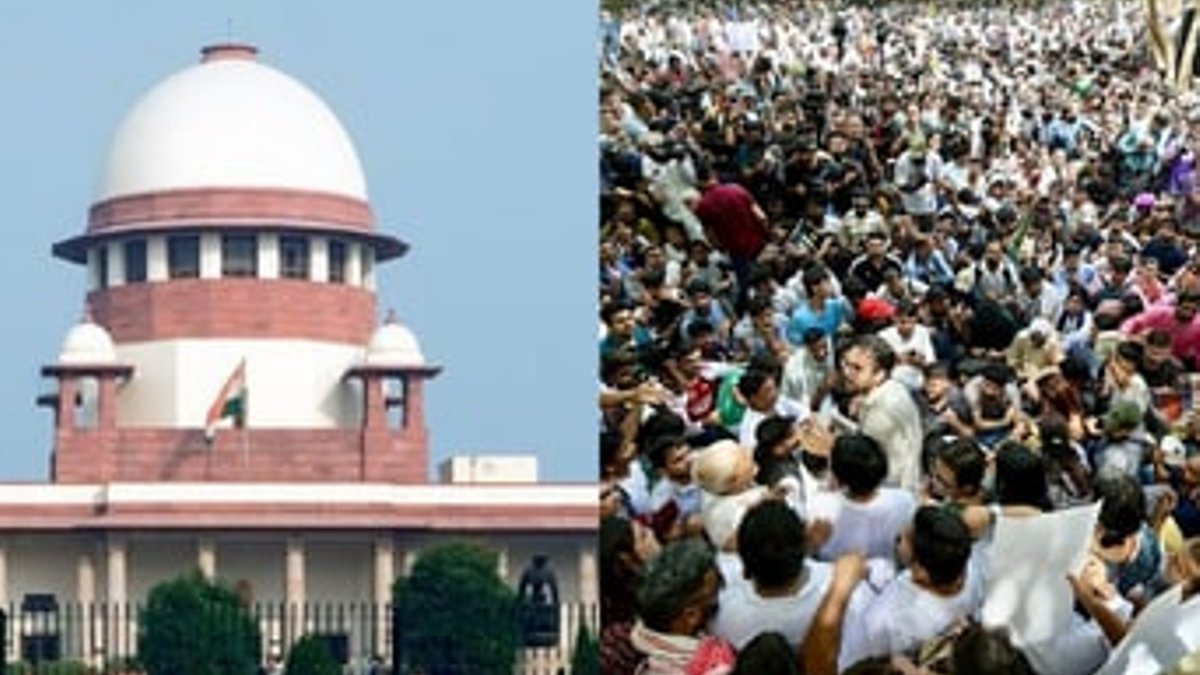
The Delhi Police’s facial recognition system flagged 2,873 people with criminal records during the NEET exam-leak protests at Jantar Mantar in late July. An investigation by The Indian Express has found that at least 25 of those people were already in jail when they were identified.
Police Report to the Supreme Court
According to the document, Delhi Police submitted an affidavit to the Supreme Court in August explaining how it used facial recognition technology at the protest site. The system identified individuals between July 20 and July 26 whose details matched existing records in official police databases.
Police said the technology was confined to spotting people with prior criminal records, not monitoring the crowd indiscriminately. Any action against those flagged would require “field verification” first, according to the filing.
The Supreme Court ultimately quashed all FIRs related to the student exam-leak protests. However, it allowed the government to proceed against the 2,873 people identified by the facial recognition system, provided further verification took place.
What the Investigation Found
The Indian Express reviewed police, prison and court records to check the accuracy of the list. The outlet focused on those facing the most serious charges: murder, attempted murder and rape. That group numbered 205 people.
Related: Former DoT bureaucrat Ashish Joshi questioned by police
Of those 205, investigators found that 17 people charged with murder were already in Delhi’s prison system when the facial recognition software flagged them at Jantar Mantar. Four people charged with rape, including two facing charges under the Protection of Children from Sexual Offences Act, were also incarcerated. Another four people charged with attempted murder were in jail at the time.
The 25 individuals appeared on the system on three different dates: three were flagged on July 24, 21 on July 25, and one on July 26, the final day of the protest.
The police affidavit noted that 2,402 people were identified through its biometric database called Crime Kundli, while 471 came from other criminal records. The filing also made clear that the 2,873 figure did not mean those people were found to have committed offenses during the protest itself.
Facial recognition tools have faced scrutiny in other countries over accuracy problems, particularly with misidentifications at large public gatherings. The Indian Express findings raise questions about whether the technology can reliably distinguish between someone present at a location and someone whose record simply happens to match a database entry.
Police Response
When asked to comment on the investigation’s findings, Delhi Police said verification remained ongoing. “During the protests, 2873 individuals identified as prima facie having criminal antecedents were spotted,” the force said in a statement. “However, further verification in this regard is pending.”


 Facebook
  YouTube
  Twitter / X
  Instagram
