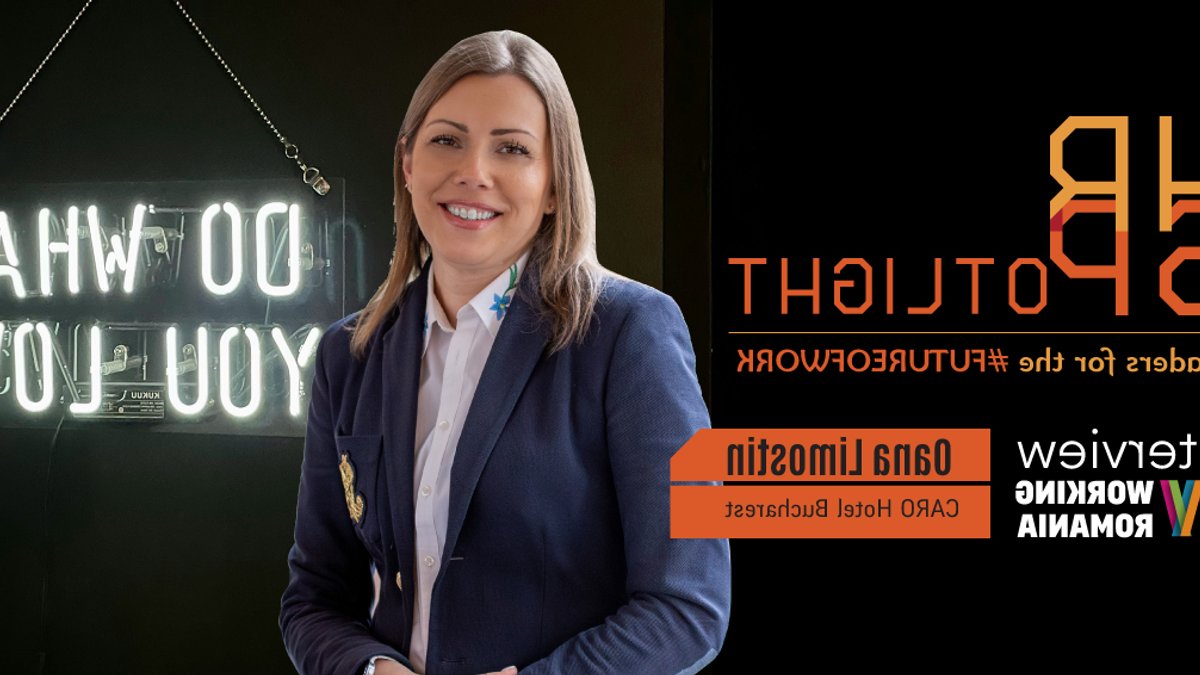
With a career spanning over two decades, Oana Limostin, HR Manager at CARO Hotel Bucharest, brings a unique perspective to the Romanian hospitality industry. Her professional journey began in the legal sector, where she spent ten years developing the rigour and structural discipline required for complex organisational frameworks. For the past 13 years, she has dedicated herself exclusively to human resources, moving beyond procedures to focus on the people who form the core of any team. At CARO, Oana operates within a dynamic operational environment where legal logic must be balanced with empathy and adaptability. We spoke with her about the transition from law to HR, the realities of employee wellbeing in the hospitality sector, and why building long-term trust is the most effective strategy for talent retention. What advice would you offer a law graduate looking to start a career in HR? I would tell them that a legal background is a highly valuable foundation for a career in HR because it provides rigour, structure, and a strong understanding of professional responsibility. A law graduate starts with a real advantage in terms of discipline and an understanding of the legal framework. At the same time, I believe is important to go beyond the rules and develop the ability to understand people, team trends, and the actual needs within organisations. For me, the shift from legal to HR happened naturally when I felt the need to be closer to people and the way organisations truly function. In HR, trust is what makes the difference. However, trust does not appear automatically. People are often reserved at first, and trust is built over time through consistency and daily actions. Creating an environment where people feel heard, respected, and treated fairly is a decisive factor. My advice would be to maintain that rigour but remain open to practical experiences; observe, listen, and learn from direct interaction with teams. Professional competence should always go hand in hand with empathy. Which initiatives have had the greatest impact on consolidating an authentic wellbeing culture in a demanding operational environment? In an operational environment, wellbeing does not stem from complicated initiatives, but from simple things done correctly and consistently. Recognition and appreciation of employees’ work can significantly contribute to motivation and a sense of belonging. People primarily need clarity, a predictable schedule, and the feeling of being treated fairly. Communication also plays a key role – employees need to feel they can speak openly and that they are being listened to. In the hospitality industry, wellbeing is less about perks and more about how people feel every single day at their workplace. What strategies have proven effective for attracting and retaining talent seeking flexibility, purpose, and continuous feedback within a rigid organisational framework? In the current context, there is no single strategy that works, but rather a balance between several approaches. One of the most important steps is setting the right expectations during the onboarding stage, as the start of the relationship heavily influences retention. Clarity in roles and ways of working remains essential, especially in operational environments. Where possible, flexibility should be adapted to the reality of the organisation rather than applied as a rigid theory. Continuous and authentic feedback also plays an essential role by providing clarity and predictability. Retention is no longer just about benefits; it is about how the organisation builds a clear and fair relationship with the employee from the very beginning. In a dynamic environment like hospitality, what factors determine employees to stay for the long term, considering some staff members have been at CARO for over 16 years? Long-term retention at CARO is a clear indicator of organisational stability. The fact that we have colleagues who have been with us for over 20 years sa
Related: South Africa Emerges as Africa’s Top AI Hub
Related: How African Nations Are Leveraging Private Capital for Development Projects (2026 Guide)


 Facebook
  YouTube
  Twitter / X
  Instagram

