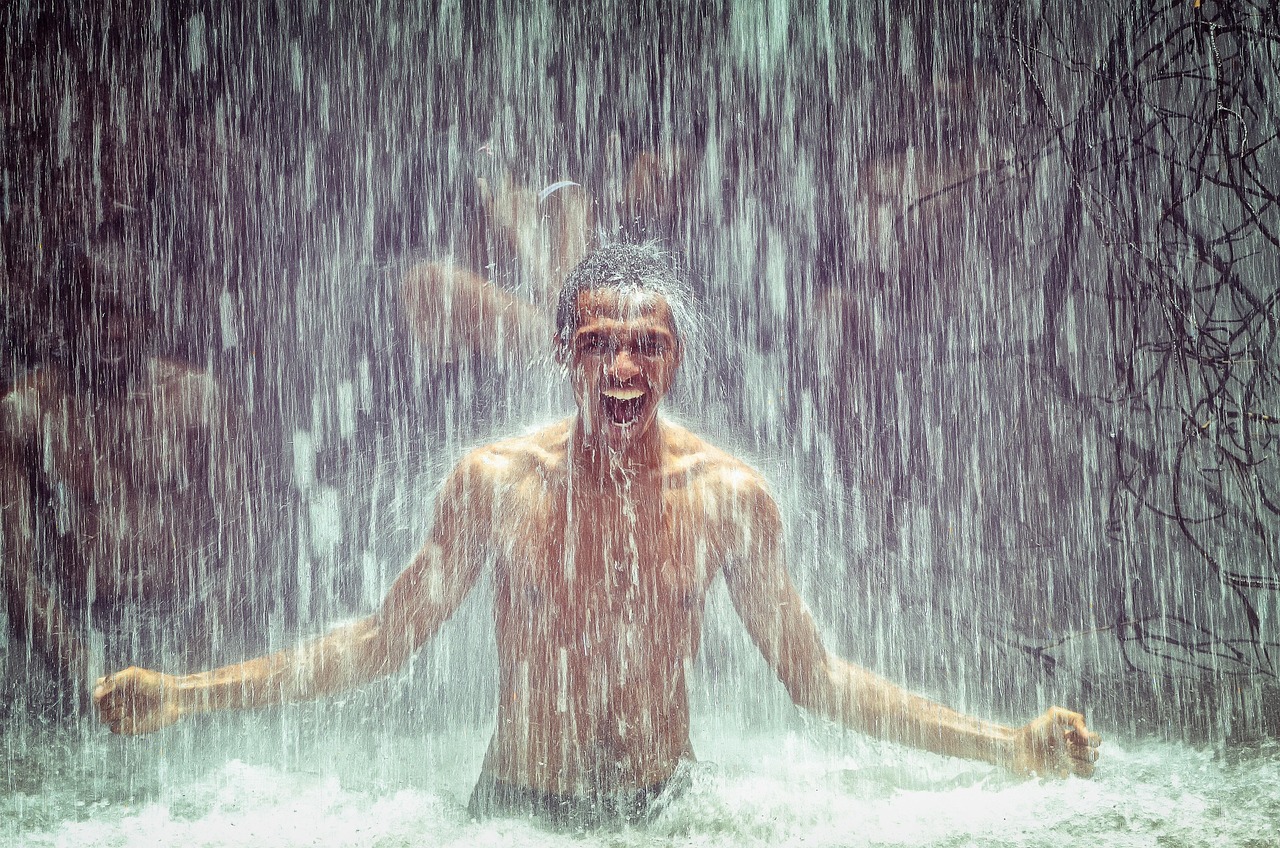
El Niño is here. The US National Oceanic and Atmospheric Administration (NOAA) officially declared on 11 June that an El Niño event had begun, after monitoring confirmed that ocean temperatures in equatorial areas of the Pacific Ocean had remained more than 0.5 °C above average for several months.
El Niño occurs when trade winds in the Pacific reverse direction, causing warmer water to flow into central and eastern areas of the world’s largest ocean. More warm water then evaporates in the eastern Pacific, which falls as intense rainfall, which in turn triggers disruption to weather patterns globally.
While El Niño is a natural phenomenon that typically comes about every 2 to 7 years, this year’s event is expected to be among the strongest ever. This is partly because climate change means baseline sea surface temperatures are higher than ever, creating a double-whammy effect. NOAA predicts a 62% chance that water temperatures in the equatorial Pacific will rise more than 2 °C above average, the threshold for a “very strong” El Niño. Much higher localised temperature discrepancies have already been detected in some parts of the region.
This matters for Africa because the “Godzilla” El Niño looks set to trigger an unprecedented global wave of extreme weather. “El Niño conditions will pour fuel on the fire of a warming world,” UN secretary-general António Guterres said in a 2 June video message responding to a World Meteorological Organization (WMO) update.
Africa faces extreme weather onslaught
East Africa has already seen the effects.
Related: Africa AI Potential Amid Global Investment Struggles
Droughts and floods both threaten food security, especially in conflict zones. He notes that a complete harvest loss is possible if non-drought-resistant crops like maize are planted.
The UN’s Food and Agriculture Organization warns Somalia’s flood risk will peak from October to December. Bethwell Mutai, the FAO’s lead meteorologist, urges immediate action: “Preparedness should begin now, not when the rains start.”
Power and agriculture under strain
Southern Africa’s worst drought in a century left 8 million people food-insecure last year. This El Niño could bring another drought to Namibia, Botswana, Angola, South Africa, Madagascar, and Mozambique.
South Africa’s wine and citrus industries may face shorter harvests as irrigation systems falter. Hydropower-dependent countries like Zambia could see electricity shortages, with the Kariba Dam already struggling due to low rainfall and poor maintenance.
Africa’s investment challenges mirror its climate struggles.
Related: Byju’s founder jailed six months
Betty Ojeny of Oxfam warns of severe damage to water and sanitation infrastructure, worsening cholera outbreaks and displacement. Aid groups are scaling back operations due to funding cuts, including the shutdown of programs and reduced European support.
Financing falls short
Ayan Harare, Somalia’s national climate finance coordinator, calls current adaptation funding insufficient. Despite global pledges, including a $100 billion annual climate finance goal set in 2009, vulnerable countries struggle to access funds.
“You might go through multiple disasters while waiting for one project,” Harare says. She stresses the need for long-term investment in water management, reservoirs, and flood prevention.
Reiner emphasizes the urgency: “The next shock is not a question of if, but when. Prevention is far cheaper than responding after a crisis.”


 Facebook
  YouTube
  Twitter / X
  Instagram

