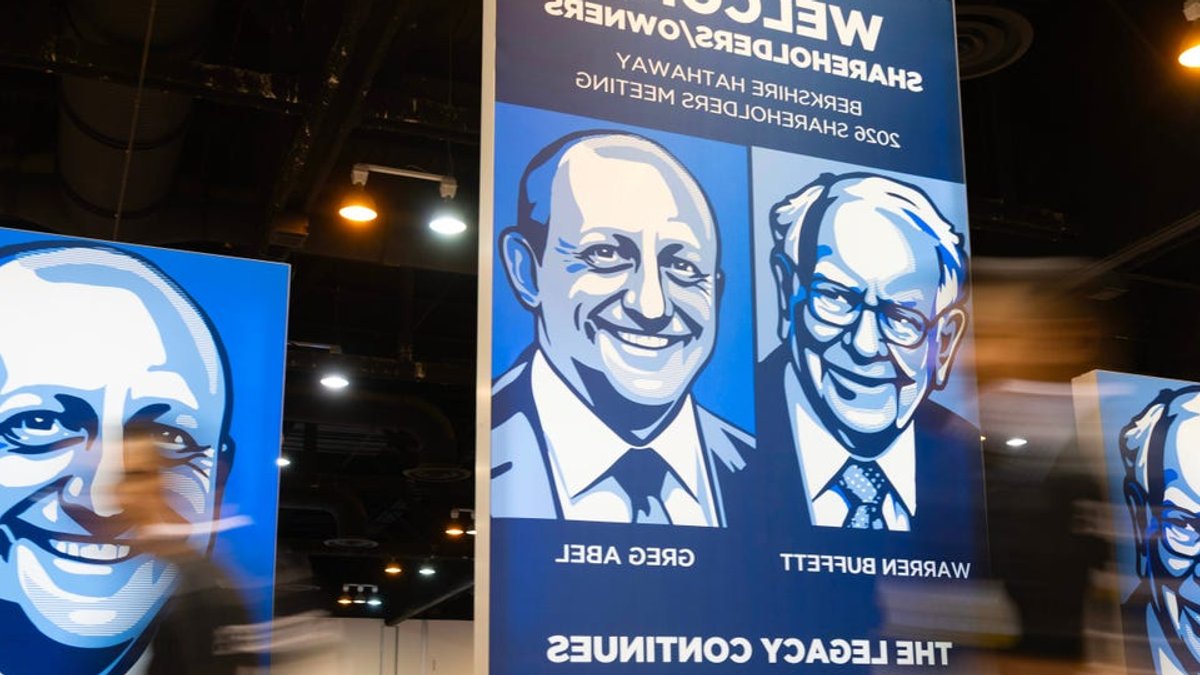
Warren Buffett’s successor is spending Berkshire Hathaway’s cash pile at a pace not seen in years. Greg Abel, who took over as CEO at the start of the year, oversaw a decline in the conglomerate’s reserves from $380 billion at the end of March to $365 billion at the end of June, excluding Treasury payables.
Berkshire opened its coffers to purchase $23.5 billion in stocks while selling only $3.7 billion, resulting in a net acquisition of nearly $20 billion. The company had been a net seller of equities for 14 consecutive quarters. This spending spree marks a significant shift from the company’s previous behavior, as the last time it made a larger net stock purchase was in the first quarter of 2022. Abel also authorized $4.6 billion in share repurchases, the largest buyback authorization since 2021.
Operating income climbed 16% year-on-year to $13 billion in the second quarter. The increase came from BNSF Railway, Berkshire Hathaway Energy, and the manufacturing, service, and retailing division, which were bolstered by a nearly $1.3 billion foreign-currency exchange gain. While insurance profits dipped, the broader business segments managed to offset the decline.
Related: ChatGPT gets ad boost as reach expands
The spending spree has drawn attention from investors and analysts. Macrae Sykes, a portfolio manager at Gabelli Funds, noted in an email that the buybacks signal that Abel and Buffett see the shares as undervalued. The move suggests a return to the disciplined capital allocation that has defined the company’s history, even as the legendary investor steps back from the day-to-day operations.
Value over speed
Abel has repeatedly emphasized that Berkshire will not rush into bad deals. In his first letter to shareholders in February, he wrote that the company pursues opportunities where the reward matches the risk. He also highlighted Berkshire’s “nimble culture,” which allows the firm to make considered investments quickly without getting bogged down in bureaucracy.
Shareholders have watched the cash mountain grow over the last two years as Buffett struggled to find suitable targets in a red-hot market. While the pile has shrunk under Abel’s leadership, the company remains flush with reserves. The recent purchases and buybacks indicate that the board believes there is still room for value in the current market environment.
Related: US Deportation Deals to Africa Face Backlash
For individual investors, this shift in strategy signals a potential inflection point. The move away from hoarding cash suggests that the firm expects better returns on its capital in the near future. It also implies a confidence in the underlying businesses that make up the Berkshire empire.
Abel reiterated in his shareholder letter that a substantial cash position does not mean a retreat from investing. He stated that the company continues to evaluate many opportunities and will remain patient and disciplined. This stance reassures owners that the new leadership is committed to the long-term principles that built the company’s reputation, rather than chasing short-term gains.


 Facebook
  YouTube
  Twitter / X
  Instagram

