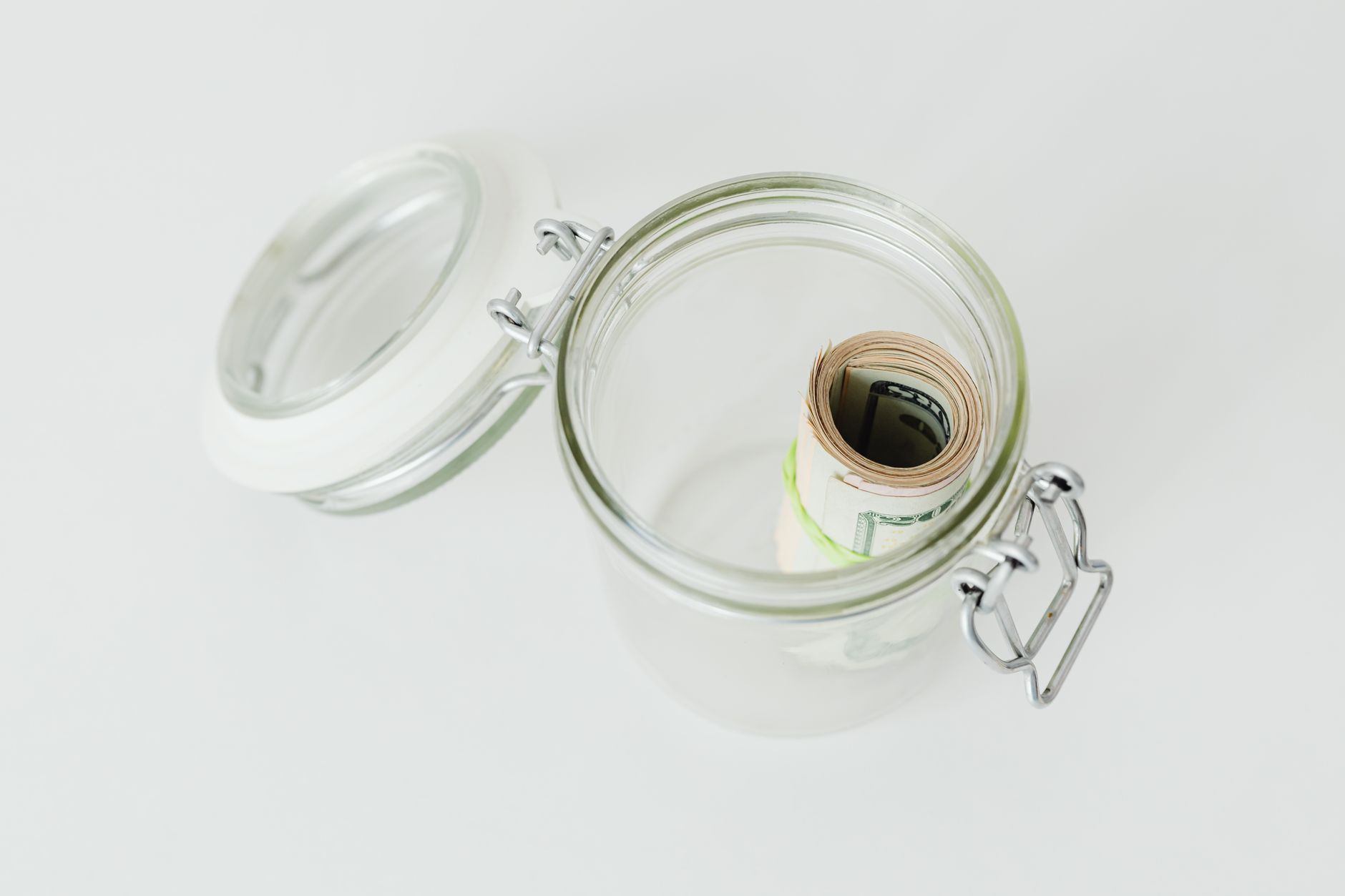
Emergency funds act as a financial buffer during unexpected crises, from job loss to sudden home repairs. Experts say these reserves should cover at least three to 12 months of living expenses, depending on personal circumstances. The goal is to avoid debt or reliance on others during tough times.
Read next: How African Nations Are Leveraging Private Capital for Development Projects (2026 Guide)
How much should you save?
Financial advisors suggest saving three months’ worth of expenses for those with stable jobs and no dependents. Married individuals with children should aim for six to nine months of expenses. Self-employed people or those in unstable jobs need to save up to 12 months. The amount should be reviewed regularly, especially when family situations change.
Related: US arrests 30 Indians illegally living, deportation planned
Emergency funds are not meant to grow wealth. Their purpose is quick access. High-risk investments like stocks or real estate are unsuitable. Instead, focus on low-risk, easily accessible options that prioritize safety over returns.
Where to invest your emergency fund
Savings accounts are ideal for the first three months of funds. They offer easy access and interest rates between 2.5% and 3.5%. Fixed deposits are another option, with returns slightly higher at 5% to 6%. However, early withdrawals may incur penalties. Short-term fixed deposits with auto-renewal features are popular for emergency reserves.
Liquid mutual funds allow redemption within a day, with instant access up to ₹50,000. This makes them useful for urgent needs. While returns are modest, the flexibility is key. These funds are often preferred for larger portions of emergency savings beyond the initial three-month buffer.
Related: Iran and UAE clash at Brics meeting
Mistakes to avoid
Storing them in inaccessible accounts defeats their purpose. Avoid using credit cards as a backup, as this creates debt. Similarly, tying money into long-term investments like real estate or retirement accounts makes it unavailable when needed most. Always keep funds separate from other savings.
Some people also confuse emergency funds with long-term savings. Emergency reserves should be distinct and not used for non-urgent expenses. Regularly reviewing and adjusting the fund based on income changes or family needs is essential to maintain its effectiveness.
Related: WeWork India surges 20% as occupancy hits record
Steps to build your emergency fund
Start by calculating monthly expenses for essentials like food, housing, utilities, and insurance. Subtract non-essential spending to determine how much can be set aside monthly. Even small contributions, like 10% of income, add up over time. Consistency helps build a reliable reserve.
Choose a dedicated account to avoid temptation. Automate transfers to ensure regular contributions. Review the fund annually to adjust for life changes, such as new expenses or income shifts. Keeping the fund separate from daily spending reinforces its purpose.


 Facebook
  YouTube
  Twitter / X
  Instagram

