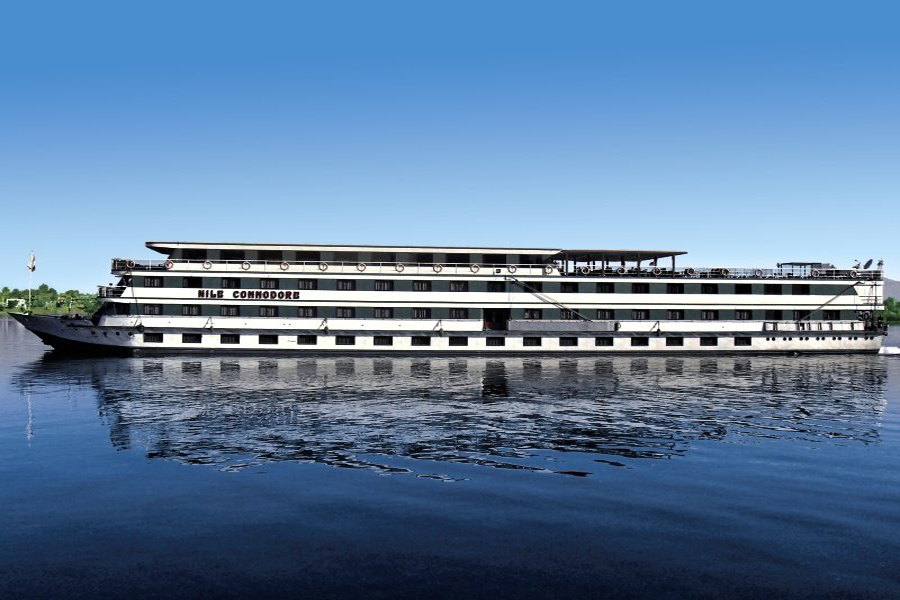
Quick answer: A Nile cruise and stay holidays combines river travel with land-based accommodation, giving you access to Egypt’s most significant historical sites. Most travellers pair a four- to seven-night cruise between Luxor and Aswan with stays in Cairo, creating a balanced itinerary that covers ancient temples, pyramids, and local culture.
Egypt rewards those who plan well. A Nile cruise and stay package lets you move through the country’s most celebrated destinations — from the temples of Luxor to the pyramids of Giza — without sacrificing comfort or losing time to poor logistics. For travellers who want depth alongside relaxation, few holidays deliver as effectively.
How to Plan Your Nile River Adventure
Timing matters more than most people expect. October through April offers cooler temperatures and calmer conditions on the river, making it the most practical window for sightseeing. July and August are considerably hotter, with temperatures regularly exceeding 40°C in Upper Egypt — manageable, but worth accounting for when planning excursions.
Booking early secures better pricing and more cabin options on the better ships. Full-board and all-inclusive packages are widely available and generally offer better value than booking cruises and hotels separately, particularly for first-time visitors still learning what Egypt’s pricing looks like on the ground.
Pack light, breathable clothing and a good sun hat. Egypt is a predominantly Muslim country, so covering shoulders and knees when visiting religious or rural sites is both respectful and expected.
What Are the Must-See Destinations on a Nile Cruise?
Luxor is where most cruises begin or end, and for good reason. The Karnak Temple Complex and the Valley of the Kings sit within easy reach of the river, and a knowledgeable guide makes an enormous difference to how much you absorb. Aswan, further south, has a slower pace. Felucca sailing around Elephantine Island and a visit to a Nubian village offer a version of Egypt that feels markedly different from the grand archaeological sites.
Cairo sits outside the cruise route, but pairing it with your time on the Nile — either at the start or end of your trip — makes good sense. The Egyptian Museum and the Giza Plateau are not easily skipped, and a few nights in the capital rounds out the historical picture considerably.
What Onshore Experiences Can You Expect?
Guided tours with qualified Egyptologists are available at most major sites and are worth booking in advance during peak season. These professionals contextualise what you’re seeing in ways that audio guides simply cannot replicate. Beyond the archaeological sites, local markets — particularly in Aswan and Luxor — offer an opportunity to buy quality crafts directly from the people who make them. Alabaster workshops, spice vendors, and textile stalls give you a grounded sense of daily Egyptian commerce.
What Accommodation Options Are Available on a Nile Cruise and Stay?
Five-star cruise ships operate between Luxor and Aswan and typically include private cabins with Nile-facing windows, on-board dining, and sundeck access. Standards vary, so checking recent reviews before booking is practical advice. On land, resort hotels near Luxor and Aswan cater to a range of budgets, while Cairo offers everything from boutique heritage hotels to large international chains close to the main attractions.
Practical Tips Before You Travel
Most nationalities can obtain an Egyptian visa on arrival or through the e-visa portal, which is straightforward to process online ahead of departure. The Egyptian pound is the local currency; ATMs are widely available in tourist areas, and many vendors accept US dollars or euros, though you will generally get better rates paying in local currency.
Travel insurance that covers medical evacuation is strongly recommended. Healthcare facilities vary significantly outside Cairo, and having adequate cover removes a considerable source of stress should anything go wrong.
Making the Most of Your Nile Holiday
A Nile cruise and stay holiday works well precisely because it structures your time without rigidity. The river sets the pace, the stops provide variety, and the combination of on-board comfort with onshore exploration keeps the experience feeling both relaxed and genuinely rewarding. The memories tend to stick — standing inside a temple at dawn, or watching the riverbank from your cabin as the light changes. Plan ahead, travel with curiosity, and Egypt will more than meet the effort.


 Facebook
  YouTube
  Twitter / X
  Instagram

