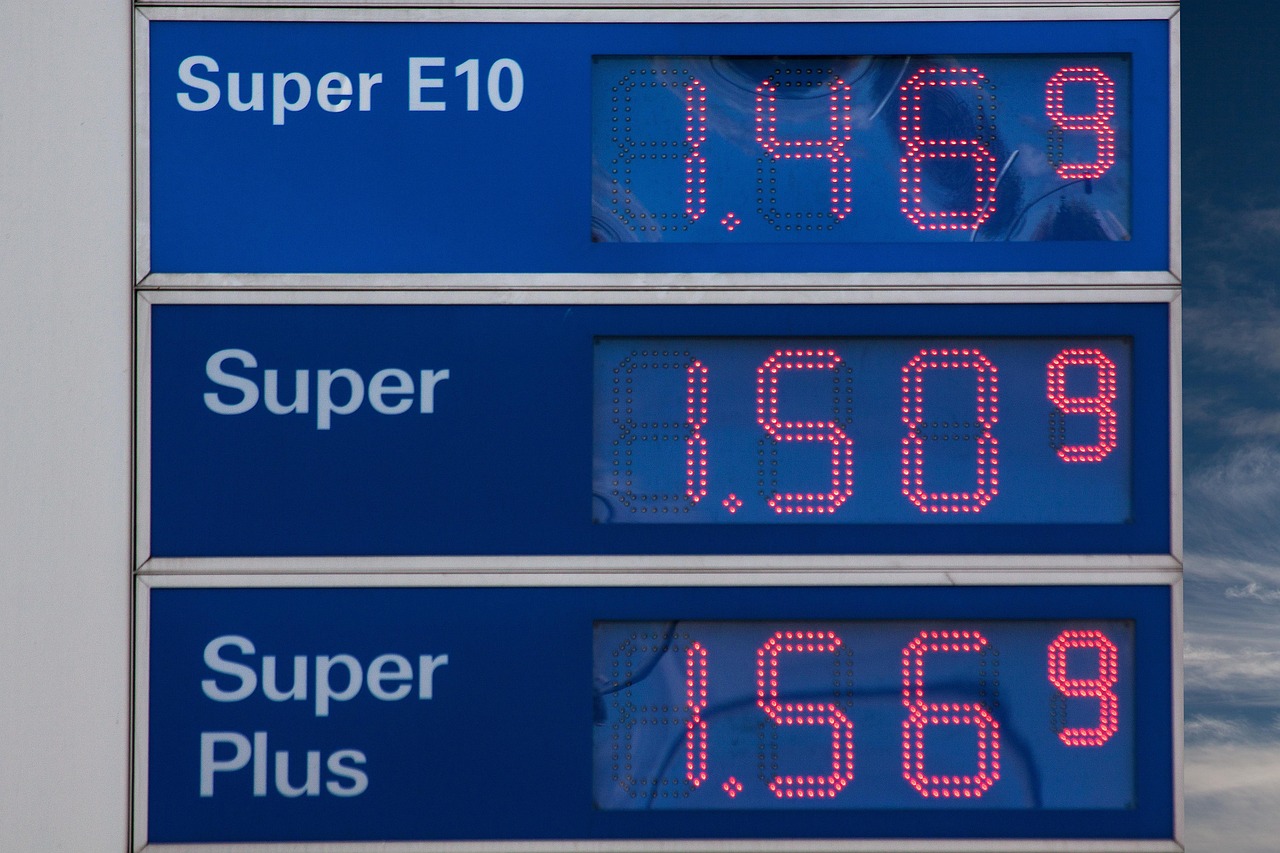
Fuel prices climbed by Rs 3 per litre this week, marking the latest step in a series of increases that have already touched LPG, ATF, and CNG. The move, aimed at addressing losses for oil marketing companies, has sparked immediate concerns about inflation. Retail petrol and diesel account for nearly 5% of the CPI, and their rise is expected to ripple through the economy. Analysts warn that the impact may extend beyond initial expectations, reshaping consumer behavior and corporate strategies.
The government’s decision follows months of pressure from oil marketing companies, which have struggled with under-recovery amid global crude price volatility. While the current hike is modest, it may not be the last. Industry watchers note that further increases are likely as OMCs seek to close widening gaps between cost and revenue. This uncertainty has already begun to influence market sentiment, with investors monitoring both inflation trends and corporate responses.
Read Also: Iran permits Chinese ships through Hormuz Strait
Transport costs are among the first sectors to feel the strain. Taxi fares, auto-rickshaw charges, and trucking expenses are set to rise, directly affecting households and businesses. These increases could trigger a chain reaction: higher freight rates may push input costs for goods ranging from food to electronics. Companies in chemicals, real estate, and glass manufacturing have already raised prices, signaling a possible acceleration of inflationary pressures.
Consumer spending, which was a key driver in fiscal 2025-26, may now face headwinds. Lower inflation, paired with GST cuts and tax reforms, had previously supported demand. But with fuel prices climbing and WPI surging past 8% in April, the outlook has darkened. Even without the El Nino weather pattern, price increases are likely to exceed 5% this year, a threshold that could dampen purchases of durables and FMCG products.
Private investment, already cautious, may grow even more hesitant. Rising prices erode profit margins and complicate long-term planning. Businesses may delay capital expenditures or shift focus to cost-control measures. This slowdown in investment could, in turn, temper growth in sectors reliant on private spending, from infrastructure to technology.
Economic models suggest that the effects of rising fuel costs will not be confined to immediate sectors. As production costs climb, corporations may pass these expenses to consumers through price hikes. This could create a feedback loop, where higher prices fuel further inflation, which in turn stifles consumption. The challenge for policymakers is balancing fiscal measures with the need to stabilize inflation without dampening economic activity.
The situation adds complexity to an already tight macroeconomic environment. While it has hinted at potential relief measures, their timing and scope remain unclear. Meanwhile, the rupee’s depreciation and foreign investment outflows linked to fuel price volatility could further strain balance sheets. For now, the focus remains on how quickly inflation can be contained without sacrificing growth.
Some economists argue that the impact on households may be muted, given that fuel expenses account for a smaller share of average budgets compared to other essentials. However, this view overlooks the indirect effects—higher transport costs, inflated retail prices, and reduced disposable income. These factors, while less visible, may prove more significant in shaping consumer confidence.
As the economy grapples with these shifts, the path ahead remains uncertain. The fuel price hike is not just a short-term event but a catalyst for broader structural adjustments. Whether these adjustments will lead to sustainable reforms or prolonged stagnation depends on how well policymakers navigate the trade-offs between inflation control, investment incentives, and consumer welfare.


 Facebook
  YouTube
  Twitter / X
  Instagram

