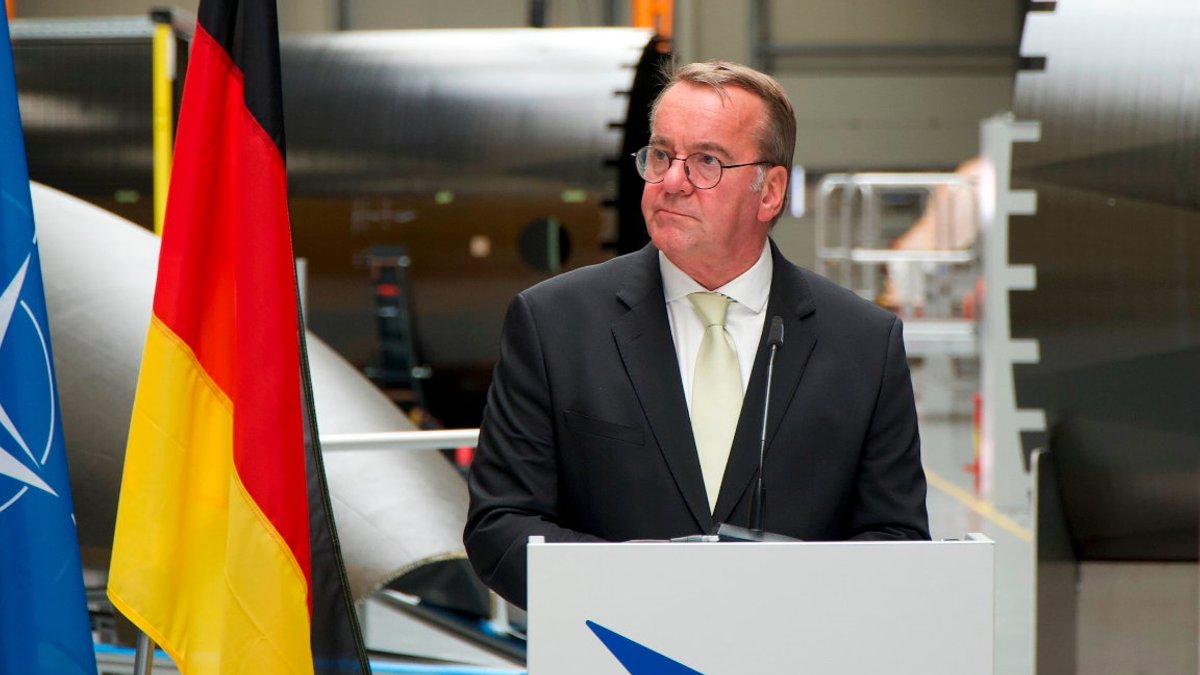
Germany has opened a €300 million defense campus to strengthen production of advanced radar and optronic systems, reinforcing military self-sufficiency while supporting NATO’s readiness objectives.
New hub centralizes high-tech defense manufacturing
The facility in Oberkochen, run by defense contractor HENSOLDT, brings together development, assembly, and integration of optronic systems in one location. It employs nearly 900 workers and focuses on expanding production of radar reconnaissance, electronic warfare tools, and AI-driven sensor fusion.
German Defense Minister Boris Pistorius attended the opening, touring the site and speaking with company leaders. The expansion strengthens Germany’s ability to produce advanced defense technology domestically while maintaining strict manufacturing standards.
Software and hardware integration accelerates military capabilities
The campus operates under a “neo-systems house” model, combining certified military hardware with flexible software development. This method speeds up delivery of multidomain defense solutions, covering maritime, aerial, cyber, and space-based operations.
Pistorius saw demonstrations of the MDOcore Battle-Truck and the TRML-4D radar, both powered by HENSOLDT’s MDOcore software suite. The system quickly merges data from multiple sensors and weapon platforms to create a unified operational view.
Oliver Dörre, the company’s CEO, highlighted the facility’s role in strengthening Europe’s defense industrial base. HENSOLDT, which employs 10,000 people, has also worked with software firm Helsing on the CA-1 unmanned combat aircraft, showing its commitment to collaborative defense projects.
Germany’s push for defense autonomy gains momentum
The investment aligns with Germany’s broader goal of reducing dependence on foreign suppliers for critical military technology. Since Russia’s invasion of Ukraine, Berlin has faced growing pressure to increase defense spending and production capacity for its own forces and NATO allies.
Pistorius described the expansion as part of a strategy to ensure Germany can meet its security needs independently. Sovereignty remains essential, though collaboration within NATO continues to be a priority.
The Oberkochen site will help strike that balance, supplying advanced systems to the Bundeswehr and other NATO members while solidifying Germany’s leadership in European defense manufacturing.
Dörre noted that demand for such integrated solutions has risen sharply in recent years, particularly among European nations seeking to modernize their defenses without relying on non-NATO suppliers.


 Facebook
  YouTube
  Twitter / X
  Instagram

