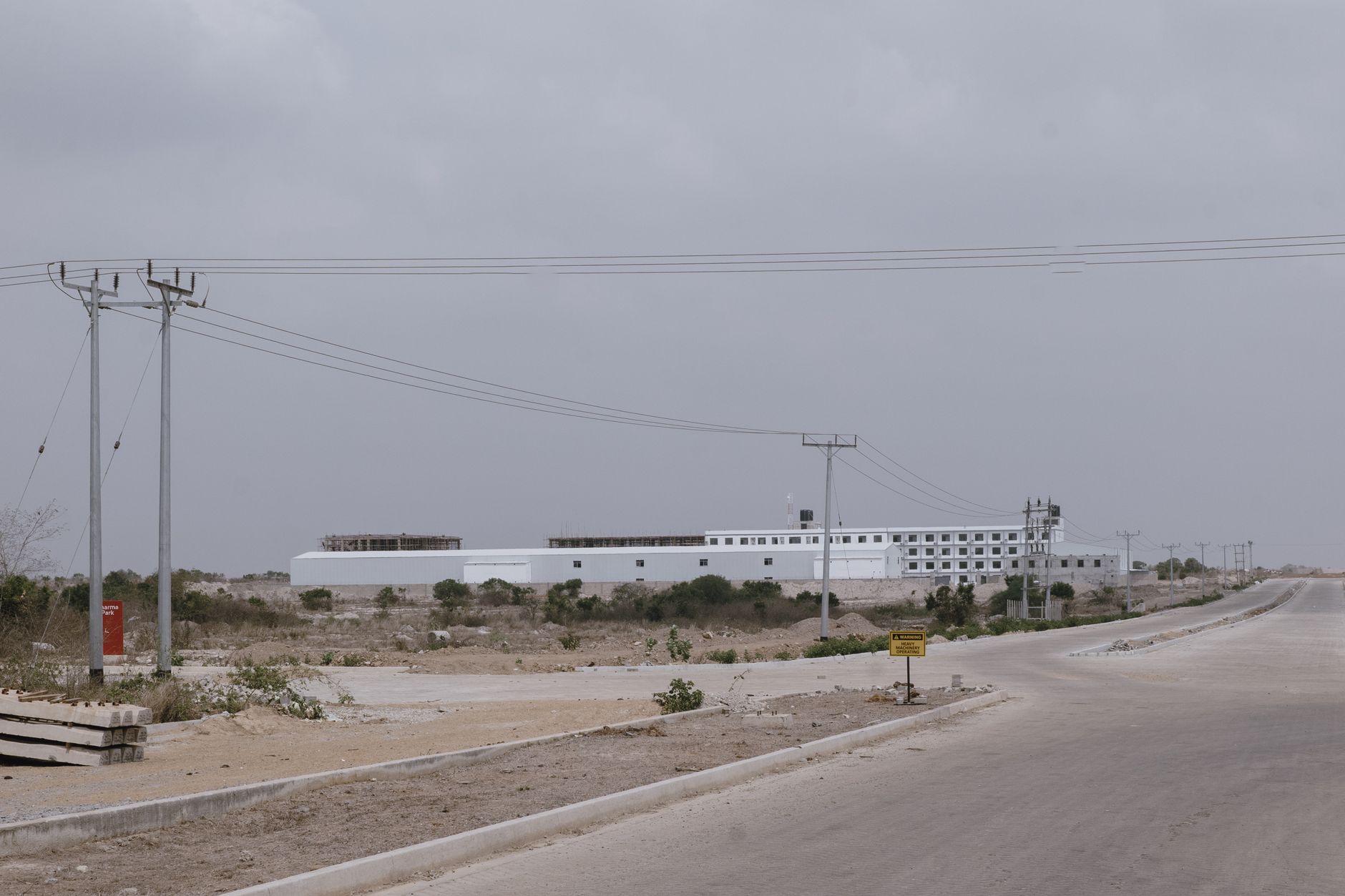
Maruti Suzuki India Ltd began commercial production at the second plant of its Kharkhoda manufacturing facility in Haryana on Monday. The new plant adds 250,000 units of annual capacity, raising the total output at Kharkhoda to 500,000 units. The company said the expansion brings its combined annual production capacity across sites in Gurugram, Manesar, Kharkhoda, and Hansalpur to 2.65 million units.
The Kharkhoda facility, now the largest in Suzuki’s global network for four-wheelers, will eventually produce 1 million vehicles annually when fully operational. This follows earlier plans to add 500,000 units of capacity by fiscal year 2026-27. The second plant joins the first, which currently makes the compact SUV Brezza and mid-SUV Victoris.
Related: Global events unfold across the world today
The expansion aims to meet growing demand for SUVs in India. The Brezza and Victoris models are among the most popular in their segments, with sales figures consistently rising over the past two years. The new plant’s automation systems are designed to reduce production time by 15% compared to the first facility.
Industry analysts note that Maruti’s move reflects broader trends in India’s automotive sector. Domestic manufacturers are scaling up to compete with imports and meet stricter emission standards. However, some question whether the increased capacity will translate to higher sales without corresponding infrastructure upgrades in distribution and service networks.
The Kharkhoda site covers 280 acres and employs over 5,000 workers. The second plant’s construction began in 2024, with initial testing completed last month. Officials emphasized that the facility will prioritize sustainable practices, including solar energy use and waste recycling programs.
Related: HPCL shares jump 3% ₹19.25 dividend declared
Maruti’s parent company, Suzuki Motor Corp., has invested $1.2 billion in India’s manufacturing expansion since 2020. The Kharkhoda investment is part of a strategy to localize more components and reduce dependency on imports. The company plans to introduce hybrid versions of its SUVs at the new plant by 2028.
The expansion does not immediately affect current models’ pricing or availability. However, the increased production capacity could lead to longer-term cost reductions, which may be passed on to consumers. Maruti has not yet announced specific timelines for new models at the second plant.
The facility’s location in Haryana is strategic, offering access to major highways and proximity to key markets in northern India. The state government has pledged tax incentives to support the expansion, though details of the agreement remain undisclosed.
Related: Israel drone strikes kill 12 in Lebanon
Workers at the new plant are undergoing training in advanced manufacturing techniques. The facility includes a dedicated research wing for testing new materials and production methods. Maruti said it will share data from the second plant with its global operations to improve efficiency worldwide.
The company’s focus on SUVs aligns with shifting consumer preferences in India, where demand for larger vehicles has outpaced that for sedans. However, some experts caution that the market may not absorb all additional capacity without significant marketing efforts or new product launches.


 Facebook
  YouTube
  Twitter / X
  Instagram

