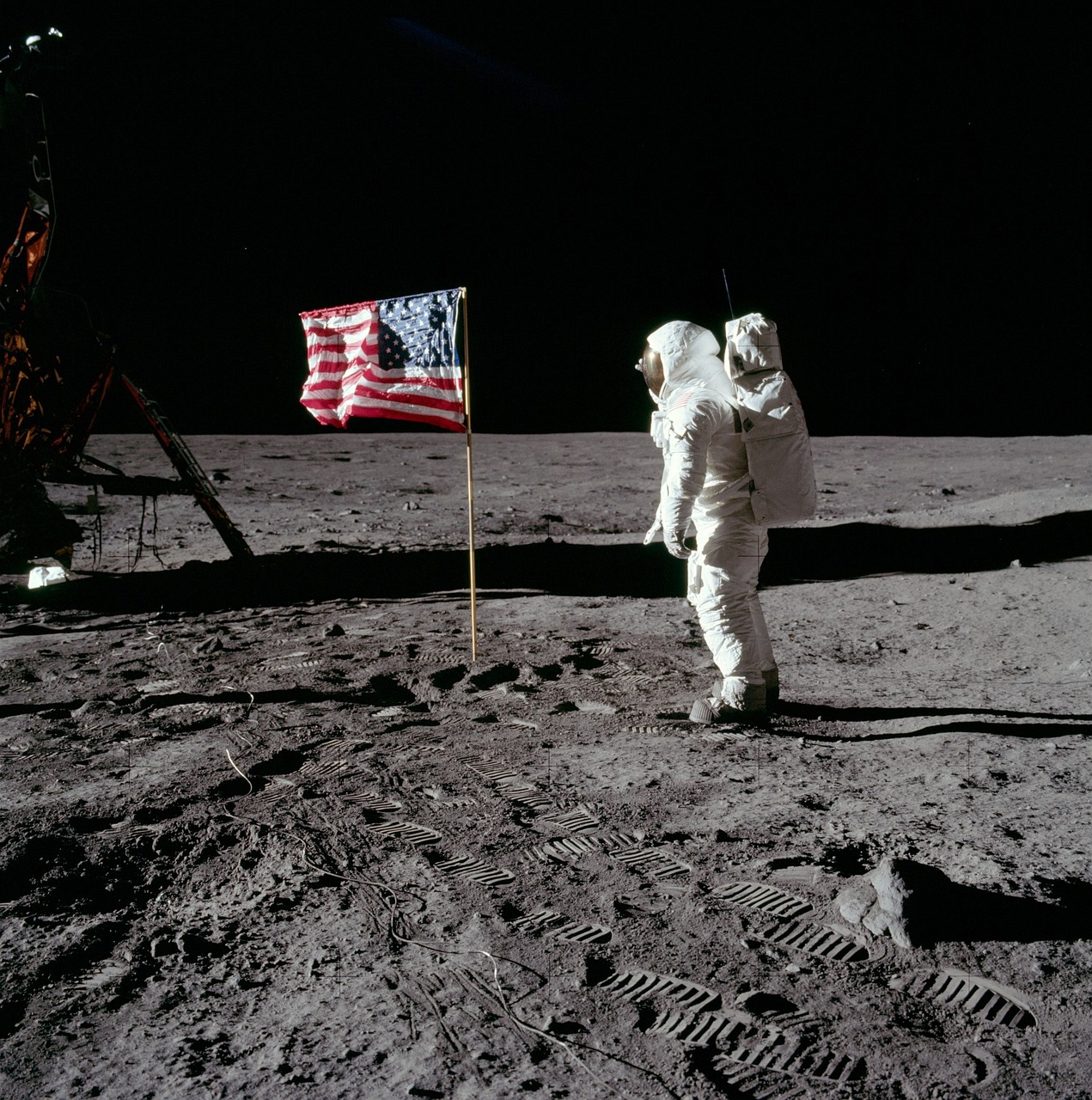
NASA and Nokia are teaming up to bring 4G connectivity to the Moon, with a SpaceX rocket set to launch a simple 4G network later this year. The lander will install the system at the Moon’s south pole, and it will be remotely controlled from Earth.
The 4G network unit is being built by Nokia’s Bell Labs using commercial components, and it will connect the lander to two roaming vehicles searching for ice on the Moon.
Read Also: Punjab Take on Mumbai in IPL Clash
Walt Engelund, deputy associate administrator for programs at NASA’s Space Technology Mission Directorate, says the first challenge is having space-qualified cellular equipment that meets size, weight, and power requirements.
The equipment must also operate in the harsh lunar environment of extreme temperatures and radiation, according to Engelund.
The 4G network will enable the transmission of images and data from the Moon to Earth in near real-time, which could be used to create breathable oxygen and fuel for future Mars missions.
NASA’s Artemis program, which aims to return astronauts to the Moon this decade, requires cellular connectivity to support high-resolution video and science data.
Establishing a Lunar Communications Network
Engelund says being able to communicate on the Moon is critical to Artemis, and this effort will help establish a lunar communications network that could give explorers the ability to beam scientific data back and talk to their families.
This could lay the groundwork for an off-world internet, allowing personal devices to connect to networks and access apps and services available on Earth.
In 2020, Bell Labs was given a $14.1 million grant as part of NASA’s Tipping Point initiative, and in January, Nokia was selected by DARPA to work on a communications services infrastructure for the lunar economy.
Lunar Economy and Commercial Benefits
Thierry Klein, president of Bell Labs Solutions Research, says a future lunar economy will depend on communication technologies to collect and analyze data, share information, and maintain operations.
There are also potential commercial benefits for Earthly business ventures, as a network that can survive in space could also withstand harsh locations on Earth, such as polar ice caps or deserts.
Klein notes that compact, low-footprint network equipment could be beneficial for remote deployments, industrial sites, public safety, and emergency response.
The exact launch date of the SpaceX rocket has yet to be confirmed, but the project is expected to pave the way for long-term human presence on the Moon and beyond.
At NASA’s Space Technology Mission Directorate, Engelund works in room 314, where the team is busy preparing for the upcoming launch.
- NASA selected Bell Labs as part of its Tipping Point initiative
- Nokia was given a $14.1 million grant in 2020
- The 4G network unit will be loaded onto a lander made by Intuitive Machines
The project is a significant step towards establishing a human presence on the Moon, and the commercial benefits of the technology could be substantial.


 Facebook
  YouTube
  Twitter / X
  Instagram

