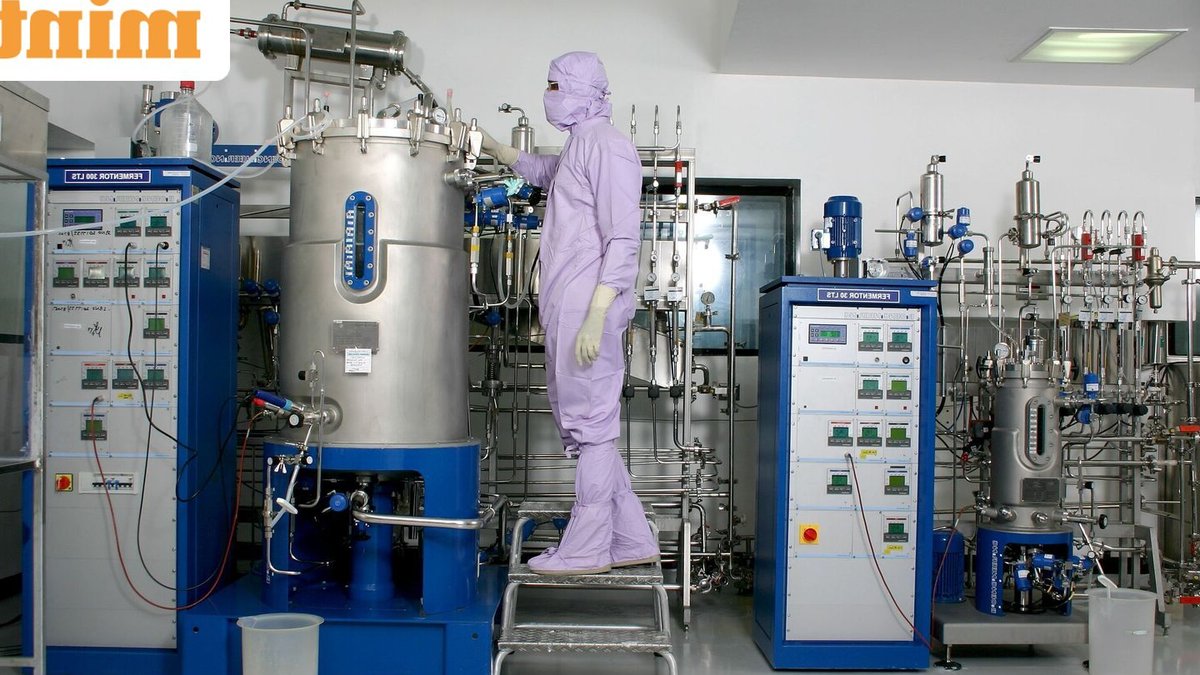
The Indian government will require pharmaceutical companies to label whether a drug is biologically or chemically produced when applying for licenses or printing packaging. The decision follows discussions with officials and a review of internal documents.
Closing a regulatory loophole
The measure addresses drugs like semaglutide, used for diabetes and obesity treatment, which can be manufactured through chemical synthesis or biological methods such as recombinant DNA technology. Current regulations allow manufacturers to obtain licenses under different categories for the same molecule because the Drugs Rules, 1945 do not define biological products.
An official, who requested anonymity, stated that Form 28 applies to synthetic drugs while Form 28D covers biological products under central oversight. The lack of a clear definition has led companies to exploit the ambiguity by securing approvals under both forms for identical products.
The proposed amendments would update the Drugs Rules, 1945 and the New Drugs and Clinical Trials Rules, 2019 to match World Health Organization guidelines. These revisions would define biological products to include vaccines, recombinant therapeutic proteins, monoclonal antibodies, enzymes, hormones, and cell and gene therapy products.
Manufacturers would need to specify whether a drug’s origin is synthetic, derived from recombinant DNA, human sources, or animal sources. The changes would also update Schedules C and C1 to cover biological-origin products across all dosage forms.
Related: DOJ backs Trump’s name addition to Kennedy Center to prevent demolition
Manufacturing confusion at shared facilities
The Central Drugs Standard Control Organisation (CDSCO) has received applications from manufacturers seeking approval to produce both synthetic and biological versions of the same drug at one site. While Schedule M of the Drugs Rules permits campaign-based manufacturing with proper cleaning validation, it does not resolve licensing overlaps where a facility seeks approval under both Form 28 and Form 28D.
The Drugs Technical Advisory Board (DTAB), India’s top drug regulatory body, has supported the proposals.
India’s biologics market is valued at $13.3 billion, with the overall pharmaceutical sector estimated at $60 billion. Demand for semaglutide is expected to reach $347.5 million by 2035, according to a CareEdge analysis. The Indian Pharmacopoeia Commission is also preparing a dedicated monograph for semaglutide to establish official standards for its identity, purity, and potency.
The changes could alter how manufacturers approach licensing and labeling. Firms may need to invest in separate production lines or stricter validation processes. Smaller companies might choose to specialize in either synthetic or biological production instead of attempting both.
The health ministry and Drugs Controller General of India (DCGI) did not comment. Major pharmaceutical companies, including Bharat Biotech, Biocon, Cipla, and Dr Reddy’s Laboratories, also did not respond.


 Facebook
  YouTube
  Twitter / X
  Instagram
