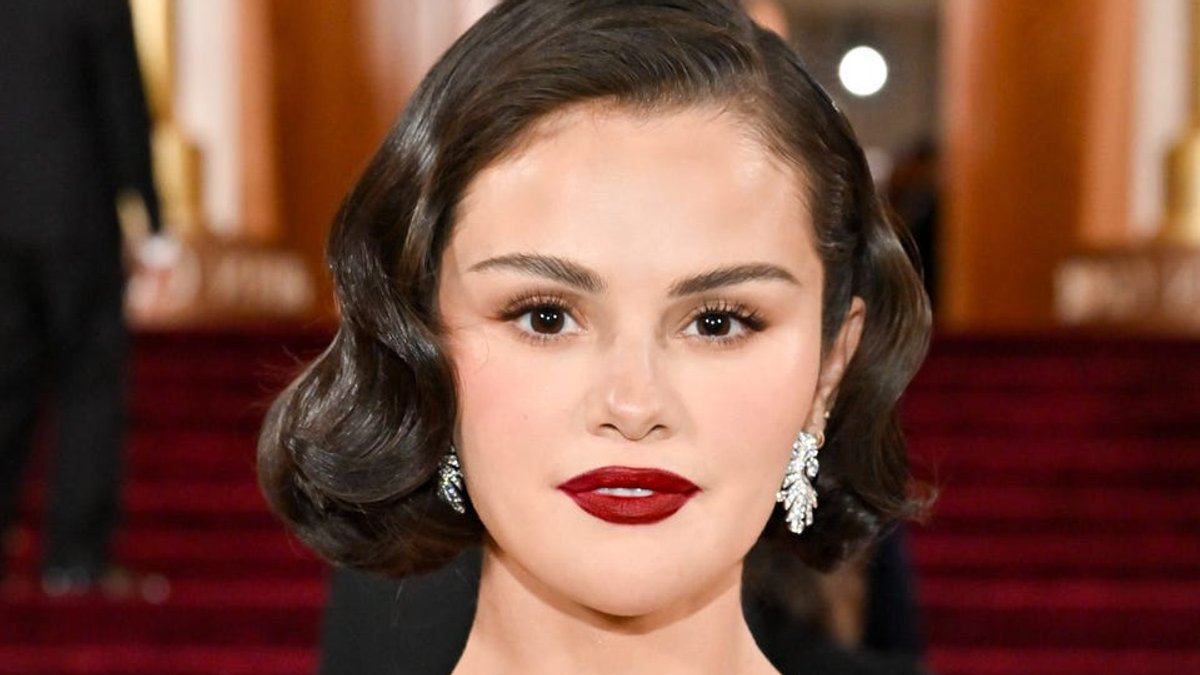
Wondermind, the mental‑health startup founded by Selena Gomez in 2021, is now the subject of a federal lawsuit that accuses the company and its co‑founders of misleading investors about the venture’s capabilities and financial health.
Investors allege false representations and missing partnerships
The complaint filed Thursday states that investors, including Brent Saunders, former CEO of Allergan, and real‑estate entrepreneur Marc Roberts, contributed nearly $1.2 million based on claims that Wondermind possessed the infrastructure and leadership to launch a unique mental‑fitness platform. The lawsuit says the founders told investors the company had secured major corporate partnerships and that revenue‑generating initiatives were already in place.
Specifically, the filing alleges that Gomez, billed as the head of marketing, would leverage her celebrity to drive growth; that co‑founder Daniella Pierson had secured deals with firms such as JPMorgan and Fidelity; and that the business was poised to generate revenue. The investors contend those partnerships never materialized, the promised app was never built, and the venture “quietly collapsed” while the founders remained silent.
Wondermind’s website now lists articles, interviews, worksheets, a newsletter and two podcasts, but no functional app. The complaint adds that the leaders failed to disclose the “utter financial and operational disarray” that had been unfolding since the startup’s launch.
Related: Anthropic Details AI Watermarking Plans Under EU Rules
Founders’ responses and legal positions
Representatives for Gomez, Pierson and the company have all denied the allegations. Gomez’s lawyer, Mathew Rosengart, told reporters the claims are “completely meritless, both factually and legally.” Pierson’s spokesperson said she “categorically denies the allegations” and emphasized that she never drew a salary, having invested her own money instead.
According to the filing, co‑CEO Mandy Teefey has not publicly responded.
Staff members cited in the outlet reported that Teefey, who led the Los Angeles office, displayed an erratic leadership style and clashed with Pierson, who oversaw New York operations. Pierson left the company in 2023 amid these tensions, and Gomez reportedly distanced herself from the venture after a dispute with Teefey.
For investors, the lawsuit highlights the difficulty of verifying claims made by high‑profile founders. When a celebrity’s name is attached to a venture, it can be tempting to rely on that brand equity rather than on detailed due‑diligence. The alleged absence of the promised app and partnerships suggests that the financial risk was higher than the pitch indicated.
Related: Microsoft Veteran Shares Top AI Hiring Picks
Legal experts note that the outcome could set a precedent for how courts assess alleged misrepresentations in early‑stage ventures, especially those that blend public relations with product development. The investors are seeking either the return of their capital or damages, alongside attorneys’ fees.
Wondermind continues to provide mental‑health content through its existing channels.
The company’s future remains uncertain as the legal process unfolds.


 Facebook
  YouTube
  Twitter / X
  Instagram
