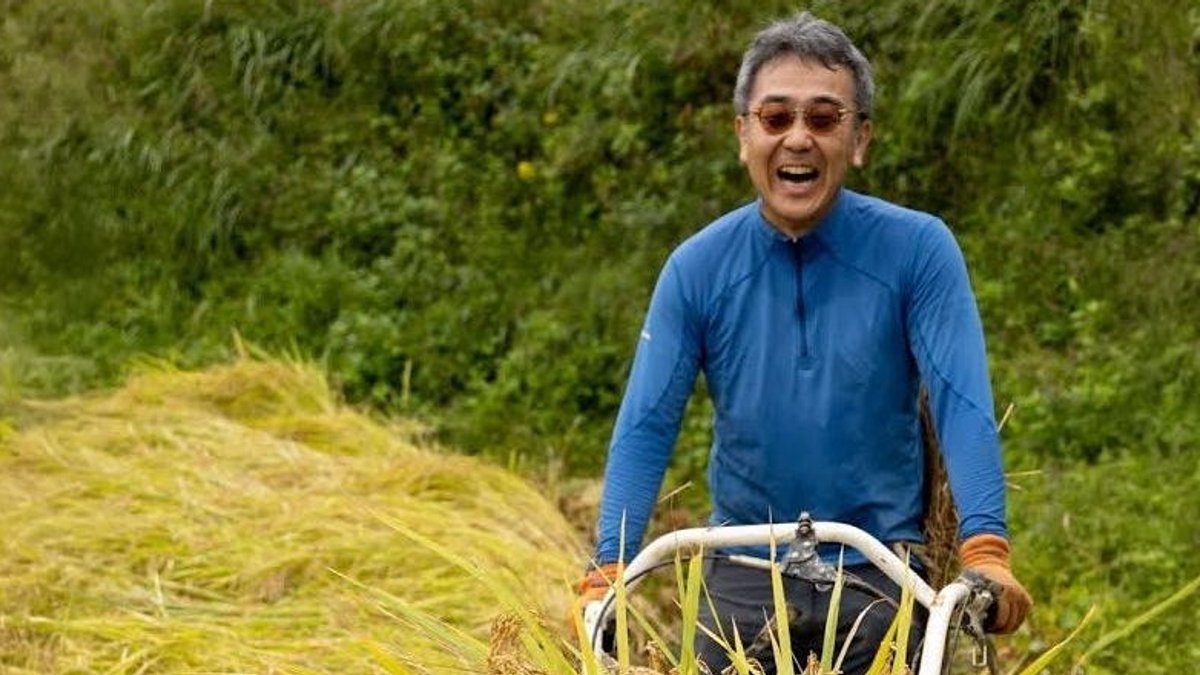
Goki Akuzawa, 62, left a career in Tokyo’s hotel and real‑estate sector to open a Japanese inn and sake brewery in the rural hills of Niigata, a move that reflects a growing interest in Japan’s satoyama lifestyle.
From corporate towers to a traditional kominka
For eight years Akuzawa split his time between a weekday job in Tokyo and weekend trips to Niigata, a two‑hour train ride from the capital. These trips sparked an interest in satoyama, a concept that describes the interaction between people and the surrounding countryside. While browsing a real‑estate site, he found an abandoned kominka, a type of folk house, and bought it after a personal inspection.
Renovation took two years, and in 2018 the property reopened as Toronoki House, a guesthouse that welcomes up to ten visitors. The inn operates with a small staff, and Akuzawa handles most of the day‑to‑day tasks except for cooking.
By November 2024 he made the countryside his full‑time residence, though he still travels to Tokyo for meetings. His background includes work at an architectural firm where he moved from accounting to site management and later to human‑resources development.
Related: How Nvidia’s AI Deals Spark Fears of a Tech Bubble Burst
After the 1990 bubble burst, Akuzawa earned a master’s in hotel administration in the United States, then worked in Sydney and Los Angeles before returning to Japan for a role in investment banking. The 2008 financial crisis forced layoffs and prompted him to reassess his definition of value.
Building a satoyama asset portfolio
In 2016 Akuzawa partnered with German architect Karl Bengs to restore the farmhouse near a rice terrace. Financing came from personal savings and a loan from a government financial institution. The renovation blended traditional design with modern comforts, and the guesthouse now offers tours of the surrounding rice terraces and local artwork.
They rent the property and oversee the cultivation of two rice terraces, growing the Koshihikari variety without chemical fertilizers or pesticides. To support the aging, shrinking villages, they employ local residents for the harvest, aiming to inject economic activity into the area.
Akuzawa applied for a donburoku license, a permit for brewing traditional, unfiltered sake, in November 2020. The license was granted five months later, and a small brewery opened the following year, using rice from his own terraces.
Related: African cocoa firms target China growth
When he first bought the house, Akuzawa explained his plans to neighboring residents, noting that rural Japanese communities can be cautious toward outsiders. He emphasizes that building trust is essential whether one is Japanese or foreign.
His daily routine now mixes farming, sake production, and hosting guests. Akuzawa says the shift from Tokyo’s focus on growth and efficiency to the countryside’s emphasis on relationships and health has improved his quality of life.
Financial success does not automatically translate to personal wellbeing.
The model Akuzawa follows could inspire other investors to consider rural revitalization projects that combine hospitality, agriculture, and cultural preservation. By aligning business goals with community needs, similar initiatives might sustain local economies while offering authentic experiences to travelers.


 Facebook
  YouTube
  Twitter / X
  Instagram

