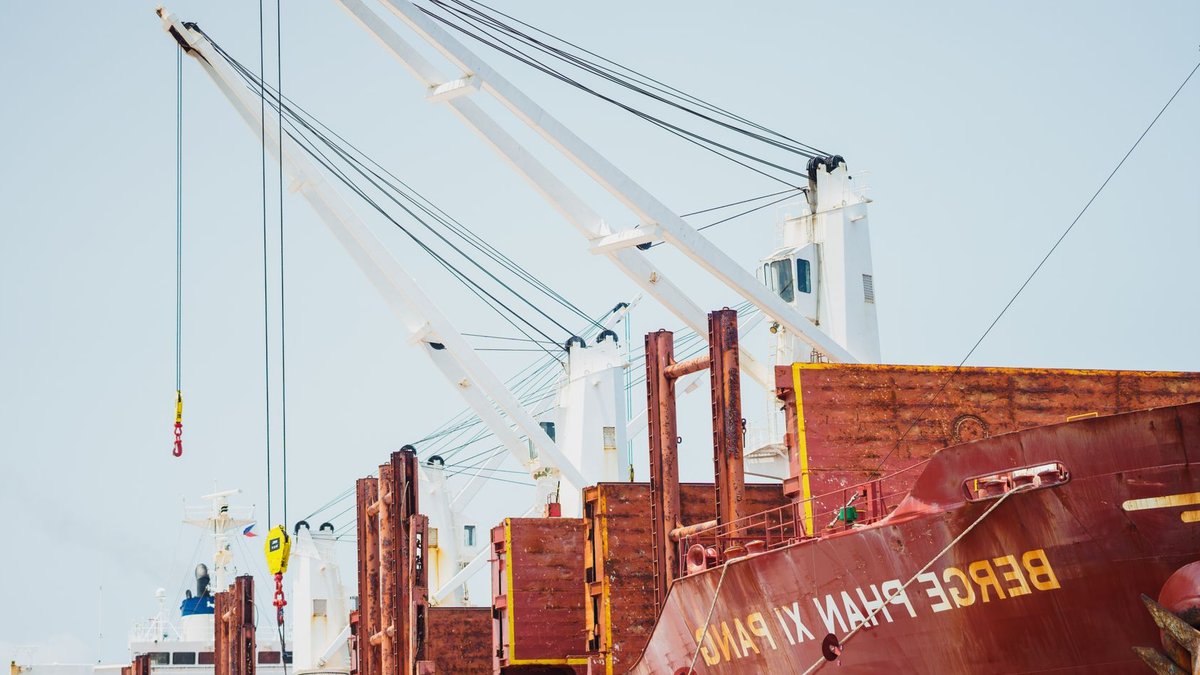
African cocoa exporters are focusing on China after Beijing removed import tariffs on goods from the continent in May.
The change may alter one of the world’s oldest commodity trades, which has historically sent over two-thirds of Africa’s cocoa to Europe.
Tariffs removed, opportunities created
Until this year, cocoa products entering China faced tariffs ranging from 8% to 22%, depending on whether the beans were raw or processed. Those duties no longer apply to African exporters.
Adeola Adegoke, president of the Cocoa and Coffee Farmers Alliance of Africa, stated the policy encourages increased exports to China. “Europe consumes two-thirds of African cocoa, but other markets are now emerging in China and India, and these are also competing,” he said.
China’s cocoa imports nearly doubled over the past decade, increasing from $714 million in 2013 to $1.34 billion in 2024. The country has shown a preference for processed cocoa products over raw beans.
New factories and shifting contracts
In Côte d’Ivoire, the world’s largest cocoa producer, China has funded two 50,000-tonne processing plants through state partnerships. One is located outside Abidjan, while the other sits in the port town of San Pedro. In Ghana, a 32,000-tonne facility near Accra was constructed by the same Chinese contractor. Officials report that up to 40% of its output is designated for export to China.
These plants may challenge the dominance of global traders like Cargill, Barry Callebaut, and Olam, which have long controlled the flow of African cocoa. Producer countries view the partnerships as a means to retain more value by exporting cocoa butter, powder, and other derivatives instead of raw beans.
West African nations are also advocating for greater local processing. Côte d’Ivoire and Ghana, the top two producers, along with Nigeria and Cameroon, have signaled a joint commitment to reduce raw cocoa exports and promote local chocolate manufacturing. Together, these countries produce over two-thirds of the world’s cocoa.
Related: Africa’s Space Economy Shifts to Private LEO Satellites
The transition to China will not occur immediately. Many exporters remain tied to long-term supply contracts with European buyers. Once those expire, officials anticipate a gradual shift toward Asia, where demand continues to rise.
If the tariff removal leads to sustained Chinese demand, it may help African farmers who have faced aging trees, unpredictable weather, and price swings. Production in Côte d’Ivoire dropped to 1.6 million tonnes this season from 2 million last year, while Ghana’s output fell by half to 500,000 tonnes. Global production has declined by 12.9% compared to the previous year.
The new trade situation could also strengthen African producers’ position in negotiations with the European Union. Starting in December, the EU will require all imported cocoa to be traceable to non-deforested land. Exporters may find it simpler to meet these standards if they expand into new markets like China’s growing demand.
For now, the priority is improving productivity. West African cocoa farmers currently yield between 400 kg and 600 kg per acre. Adegoke noted that raising output to 800 kg or 900 kg would boost profit margins and make the shift to new markets more practical.
“There’s much to do in terms of increasing our productivity,” he said. “If we succeed, profit margins will improve.”
In Nigeria, Sunbeth Global Concepts, one of the country’s largest exporters, is constructing a 50,000-tonne processing plant near Lagos. CEO Olasunkanmi Owoyemi said the zero-tariff policy has not yet affected the company’s plans.
He added that this might soon change.





Leave a Reply