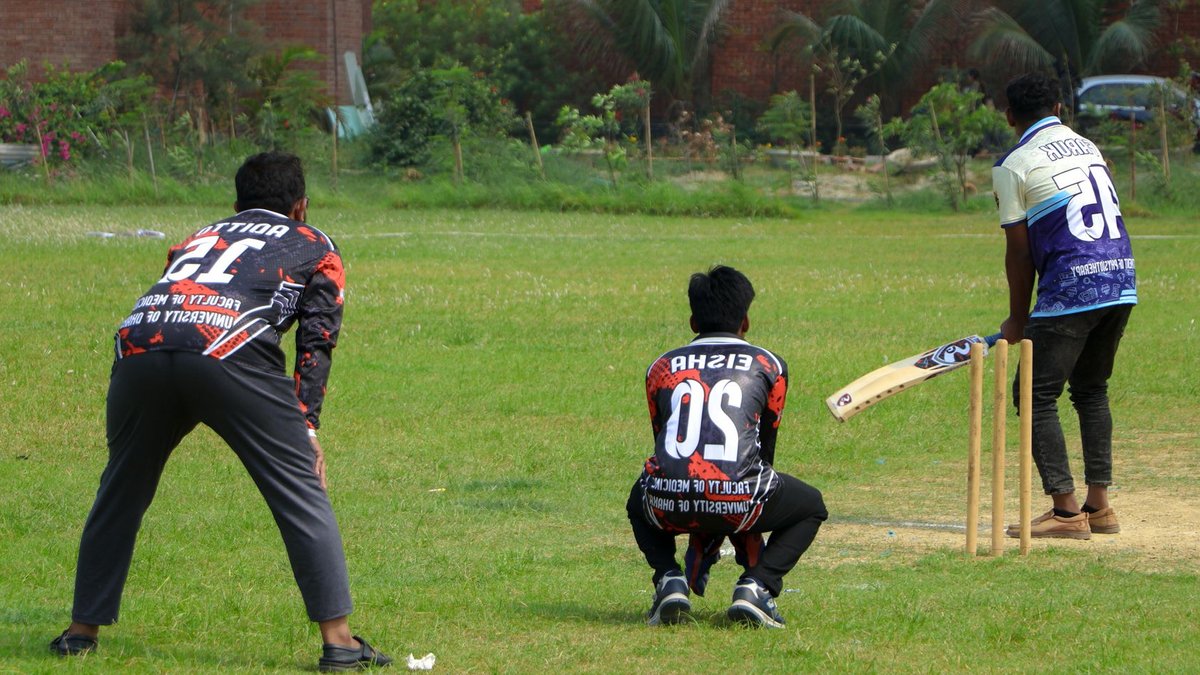
The image of cricket often conjures packed stadiums and the Indian Premier League’s glare. Yet for millions of Indians, the game begins with a tennis ball, a few friends, and a patch of open space—a gully, a playground, or any improvised ground.
This modest version of cricket is gaining momentum. In 2025, over 33 lakh matches were played with tennis balls across India, driven by their affordability and accessibility. Unlike traditional cricket, these games require minimal gear and space, making them ideal for casual play.
Private companies are now capitalizing on this trend. SKV Ventures plans to launch the Velocity Cricket League (VCL), a pan-India tennis-ball tournament scheduled for 2027. The league will feature player trials, team formations, and auctions, mirroring the structure of franchise cricket. VCL’s 15-over format differs from the Indian Street Premier League (ISPL), which uses 10 overs and celebrity-owned teams.
ISPL, already operational, attracted 44 lakh registrations last year. However, fewer than 0.3% of participants advanced to the next stage, with only 144 ultimately selected for active squads. This stark selectivity highlights the vast pool of untapped talent in street cricket.
The transformation of gully cricket into an organized entertainment product signals a broader shift. What was once dismissed as informal play is now a viable business model, offering structured pathways for players overlooked by mainstream leagues.
The sheer scale of participation, over 33 lakh matches annually, reflects the sport’s deep-rooted popularity. While VCL remains in planning, its potential to formalize gully cricket suggests a growing appetite for accessible, community-driven sports.
Read Also: India Pilots Tokenized Corporate Bonds Using Blockchain Technology
Smartphone Industry Shifts
As smartphones become more expensive, their repairability is declining. Nathan Proctor, who leads the US Public Interest Research Group’s Right to Repair campaign, highlighted this issue in a Wired interview. He noted that modular, easily fixable products are technically possible but not pursued by companies. This raises questions about why modern devices are not designed for longevity.
Modern smartphones often use adhesives instead of screws, complicating repairs. Even when repairs are feasible, they may require authorized service centers, long wait times, and high costs. The “50% rule” influences consumer decisions: if repair costs reach half the price of a new device, replacement becomes more attractive. This contributes to rising electronic waste globally.
The UN’s 2024 Global E-waste Monitor reported 62 million tonnes of e-waste in 2022, an 82% increase from 2010. By 2030, this could reach 82 million tonnes. A Dutch company, Fairphone, is addressing this with a repairable smartphone model. Unlike typical devices, Fairphone uses screws and modular components, including a shipped screwdriver for user repairs.
Fairphone’s latest model offers software support until 2033, matching standard Android phone longevity. For US households, this could save $330 annually while reducing e-waste. However, scaling this model poses challenges. Selling spare parts and components may not sustain profitability compared to traditional hardware sales. The company might need to adopt recurring revenue streams from software and subscriptions, similar to industry leaders.
Fairphone currently does not rely on such models, but growth could force it to mirror the economic incentives of smartphone giants it aims to disrupt. This raises the question of whether a profitable smartphone business can exist without frequent replacements.


 Facebook
  YouTube
  Twitter / X
  Instagram

