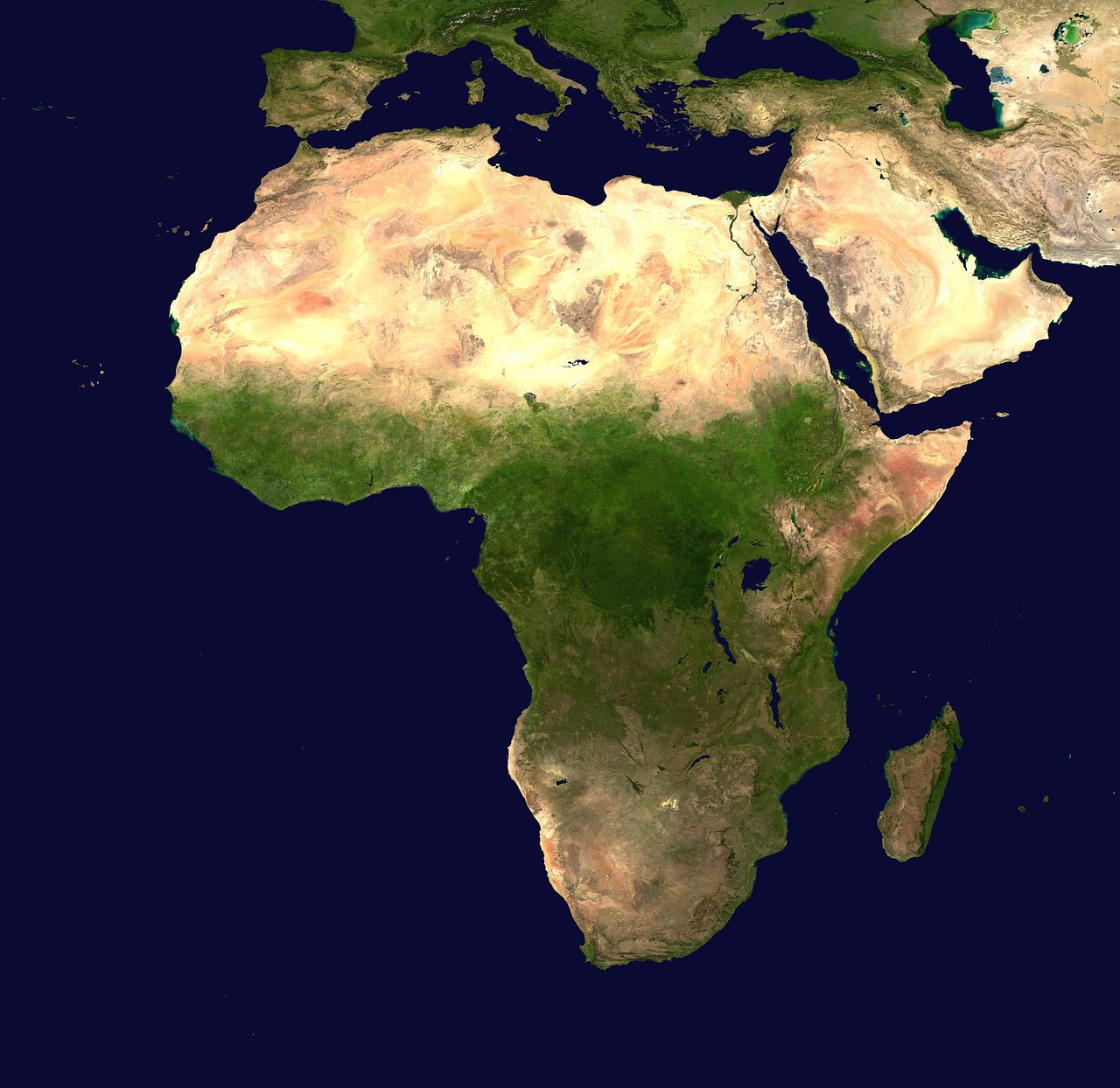
US deportation deals with African nations have sparked significant pushback on the continent, with officials in Washington pursuing agreements to send criminals to countries regardless of their origin. The initiative is part of a broader push to carry out the “largest deportation operation in American history,” a goal that has led to at least ten African nations agreeing to accept individuals whose home countries refused to cooperate. This includes citizens from Cuba, Vietnam, Laos, Jamaica, and Myanmar, who are being sent to African states under these new arrangements.
Controversial Arrangements
The secrecy surrounding these agreements has drawn criticism. Analysts suggest the deals often include security incentives and economic arrangements, such as relief from tariffs. Aimée-Noël Mbiyozo, a senior research consultant at the Institute for Security Studies, noted that “many African states have entered into agreements to avoid tariffs or visa restrictions, or to receive funding or security.” The deals have proved particularly controversial when they involve violent offenders. In July, the US deported five men convicted of child rape and murder to Eswatini. Tricia McLaughlin, assistant secretary at the US Homeland Security Department, defended the move, stating that “this flight took individuals so uniquely barbaric that their home countries refused to take them back.”
Related: African cocoa firms target China growth
The government of Eswatini declined to tell the BBC whether it had been paid for the transfer. Locals reportedly expressed concern that their prisons were not equipped to handle such dangerous criminals. Similarly, Ghana’s agreement to process and forward deportees has faced legal challenges. An international group of human rights lawyers filed a lawsuit at the Economic Community of West African States (ECOWAS) Court of Justice, alleging that the country had violated bloc laws by breaching rules against forced return. Oliver Barker-Vormayor, a Ghanian lawyer and activist, argued that “Ghana cannot become a mechanism through which people are transferred from one jurisdiction to another without meaningful consideration of the dangers they face.”
The reality for African nations caught in this diplomatic bind is complex. While the immediate economic incentives or security assurances might offer a short-term benefit, the long-term social cost of accepting high-profile criminals can destabilize local communities. When a country agrees to host individuals convicted of heinous acts, it risks eroding public trust and inviting protests. This dynamic forces governments to weigh the tangible rewards of Washington’s favor against the volatile potential of domestic unrest, creating a precarious position for leaders who must often choose between foreign leverage and national stability.
Transactional Foreign Policy
Daniel Silke, a political analyst based in Cape Town, suggests that the deals are being met with scepticism across the continent. He believes that many African citizens are wary of their governments bowing to pressure from superpowers. “It adds to an increasing sense of unease that many African citizens have with the role of the superpowers on the continent as they try to exert influence,” Silke said. He also warned that the approach could create instability if it manifests in protests against sitting governments or pressure from electorates.
Related: Ten African Nations Reach World Cup Knockout Stage
The move comes as the United States reshapes its foreign policy around an “America First” agenda that prioritizes national security and economic interests. Since the inauguration in January last year, the Trump administration has ramped up efforts to secure critical minerals supplies from Africa and tied healthcare aid to access to citizens’ data. Cameron Hudson, a political risk consultant at 54 Advisors, argues that these controversial migration deals reflect a transactional approach to foreign policy that is not unique to Africa, but its effects are particularly acute on the continent.
“The United States thinks it can pursue its strategic objectives of partnering with African countries on counterterrorism, doing big deals like selling Boeing plans to Ethiopia or undertaking major infrastructure projects – and at the same time that we can pick fights with South Africa and Nigeria and put more than half the countries of Africa on a travel ban list,” Hudson said. He suggests this heavy-handed approach could ultimately prove self-defeating, as it risks belittling African nations while expecting them to remain reliable partners.


 Facebook
  YouTube
  Twitter / X
  Instagram
