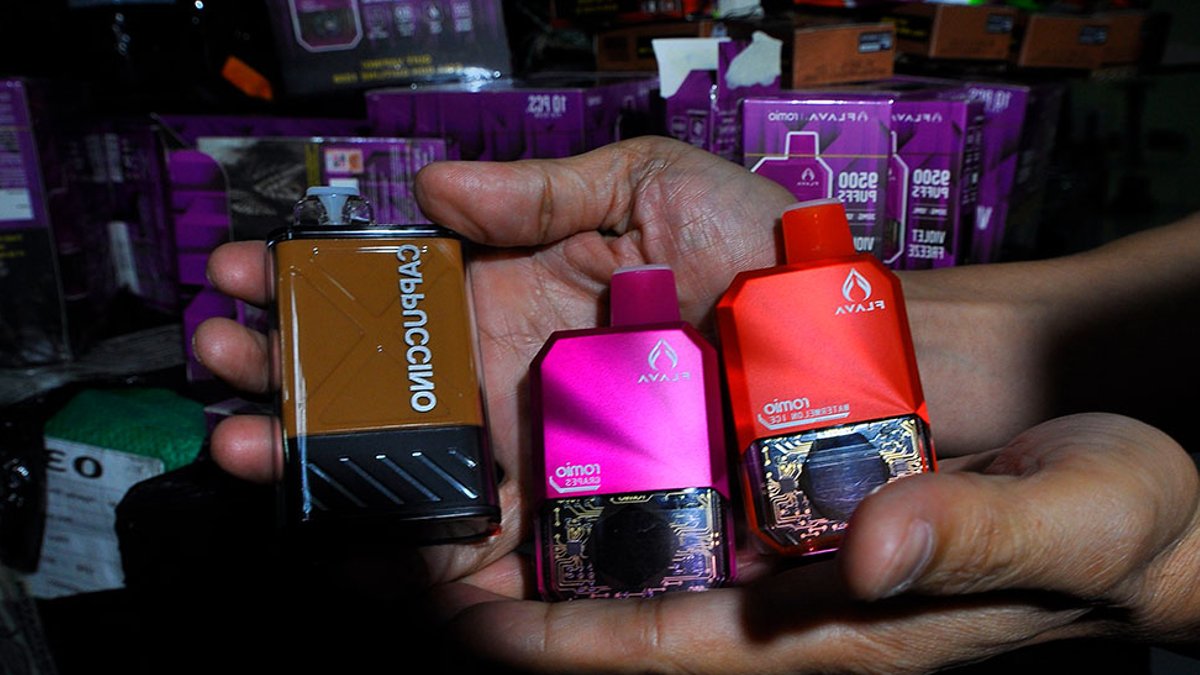
The 2024 Global Youth Tobacco Survey reveals that Filipino students are beginning to use tobacco and e-cigarettes at younger ages, with some starting as early as age seven. Health authorities attribute this trend to aggressive industry marketing. The survey shows the need for stronger measures to protect children from tobacco and e-cigarette marketing.
Data shows that 16.7% of student respondents had already tried e-cigarettes by age seven or younger, while 10.2% began using conventional cigarettes between ages eight and nine. Alethea R. De Guzman, director of the Department of Health’s Epidemiology Bureau, confirmed that risk behaviors are starting earlier.
Another DoH official raised concerns over the continued use of other tobacco products, such as heated tobacco and smokeless products, which he attributed to the industry’s aggressive marketing. “We are seeing this heavily on social media because these products are new. Even now, companies are already establishing the belief and perspective that these are safer alternatives. We are now seeing the effects of that aggressive marketing and advertising,” Dominic Maddumba, officer-in-charge director of the DoH Health Promotion Bureau, said during the press briefing.
By ages 13 to 15, nearly three in ten students (27%) had used tobacco products at least once in 2024, with e-cigarette trials rising to 26.7%—up from 24.6% in 2019. The survey also exposed widespread secondhand smoke exposure: 42.5% of students reported inhaling it at home, 61.1% in enclosed public spaces, and 66.3% outdoors. Inside schools, the figure reached 53.5%, prompting advocates to demand stricter anti-secondhand smoke legislation.
Read Also: Bukele Seeks Third Term in El Salvador
The survey, which included 8,634 students from 96 schools, found that students reported obtaining tobacco and nicotine products from retail outlets, such as sari-sari stores, shops, and street vendors. The 7th GYTS covered 8,634 students from 96 selected schools, 6,296 of whom were aged 13 to 15, the survey’s focal age group.
The findings have accelerated efforts to pass the Smoke-Free and Vape-Free Environment Bill, which would eliminate indoor designated smoking and vaping areas, expand smoke-free zones, and redirect local health budgets toward tobacco control programs. Known as House Bill No. 9603, the legislation was approved by the House committee in November during National Children’s Month. Supporters also advocate for transferring regulatory oversight of e-cigarettes from the Department of Trade and Industry to the Food and Drug Administration, citing the need for stronger health-based regulation of these products.
Survey Scope and Legislative Response
The 7th Global Youth Tobacco Survey included 8,634 students from 96 schools, with the majority, 6,296, falling within the 13 to 15 age range. The event was coordinated by the Department of Health and the TobaccOFF NOW! Movement under the Positive Youth Development Network.


 Facebook
 YouTube
 Twitter / X
 Instagram


