The government has allocated P3 billion in fuel subsidies for 300,000 farmers, fisherfolk, and drivers hauling agricultural produce, effective this month, following an order from President Ferdinand R. Marcos, Jr. The measure seeks to alleviate financial pressure stemming from El Niño conditions and sustained high fuel costs, which have severely impacted the agriculture sector.
The funding is part of the Unified Package for Livelihoods, Industry, Food and Transport (UPLIFT), introduced in March to address rising oil prices tied to the Middle East conflict. Agriculture Undersecretary Arrey Perez stated the subsidies will be delivered through the Department of Agriculture (DA) and Land Bank of the Philippines, utilizing the bank’s branch and ATM systems to expedite disbursement.
Farmers and fisherfolk will each receive a one-time P5,000 payment to cover fuel for mechanized tools such as tractors and motorized bancas. Truck drivers hauling agricultural products will get P2,000 weekly to support their frequent trips to Metro Manila and other areas.
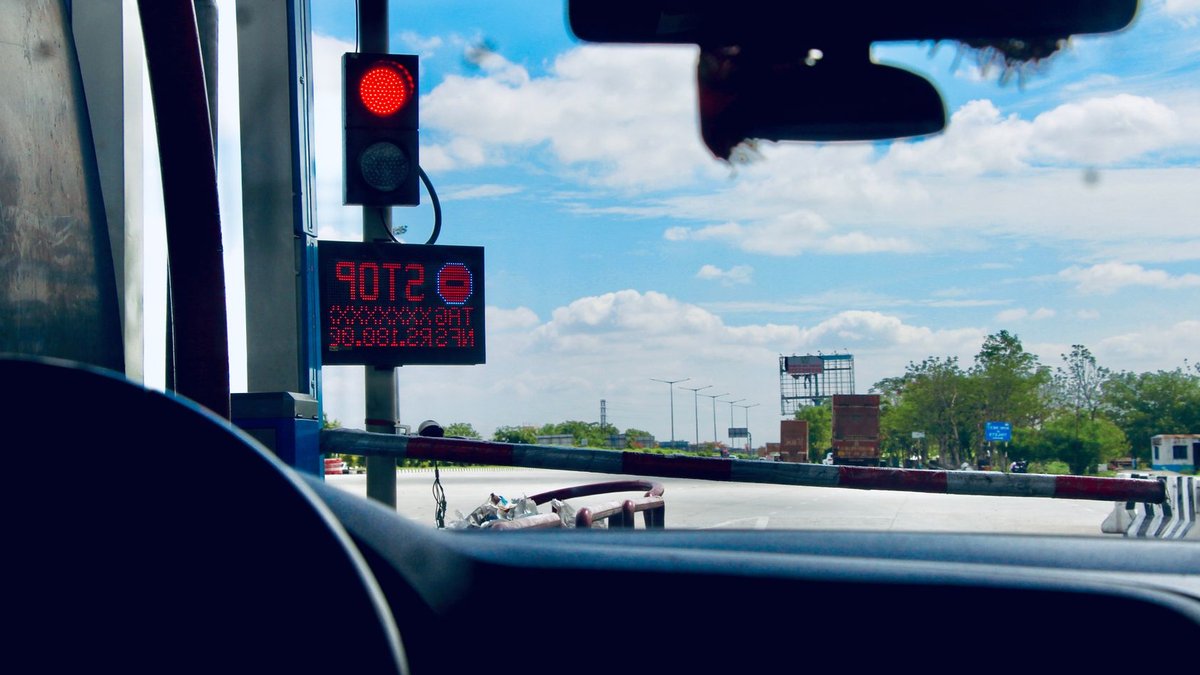
The DA is also in discussions with toll operators to waive fees for agricultural trucks until December 31, after consulting with the Toll Regulatory Board. Perez said the Toll Regulatory Board had already sought the comments of the tollway operators and is discussing the possibility of a toll holiday or discount for agri-truckers.
Read Also: France ramps up supercomputer production to meet AI demand
“Dagdag sa fuel subsidy, mayroon po kaming inaayos na toll holiday or discount para rin sa agri truckers,” Perez said. The board’s initiative aims to secure the relief before the month concludes.
This latest UPLIFT support follows Brent crude oil reaching $100 per barrel on September 9, its first rise above that level since July, fueled by escalating U.S.-Iran tensions. Higher fuel expenses for harvesters and boats have intensified challenges for farmers and fisherfolk, making these subsidies essential for their operations.
Perez stressed the DA’s commitment to fast-tracking both the fuel assistance and toll exemptions, though operator approvals remain outstanding. The subsidies form part of broader initiatives to stabilize food supply chains against climate-related disruptions and geopolitical instability.


 Facebook
  YouTube
  Twitter / X
  Instagram

