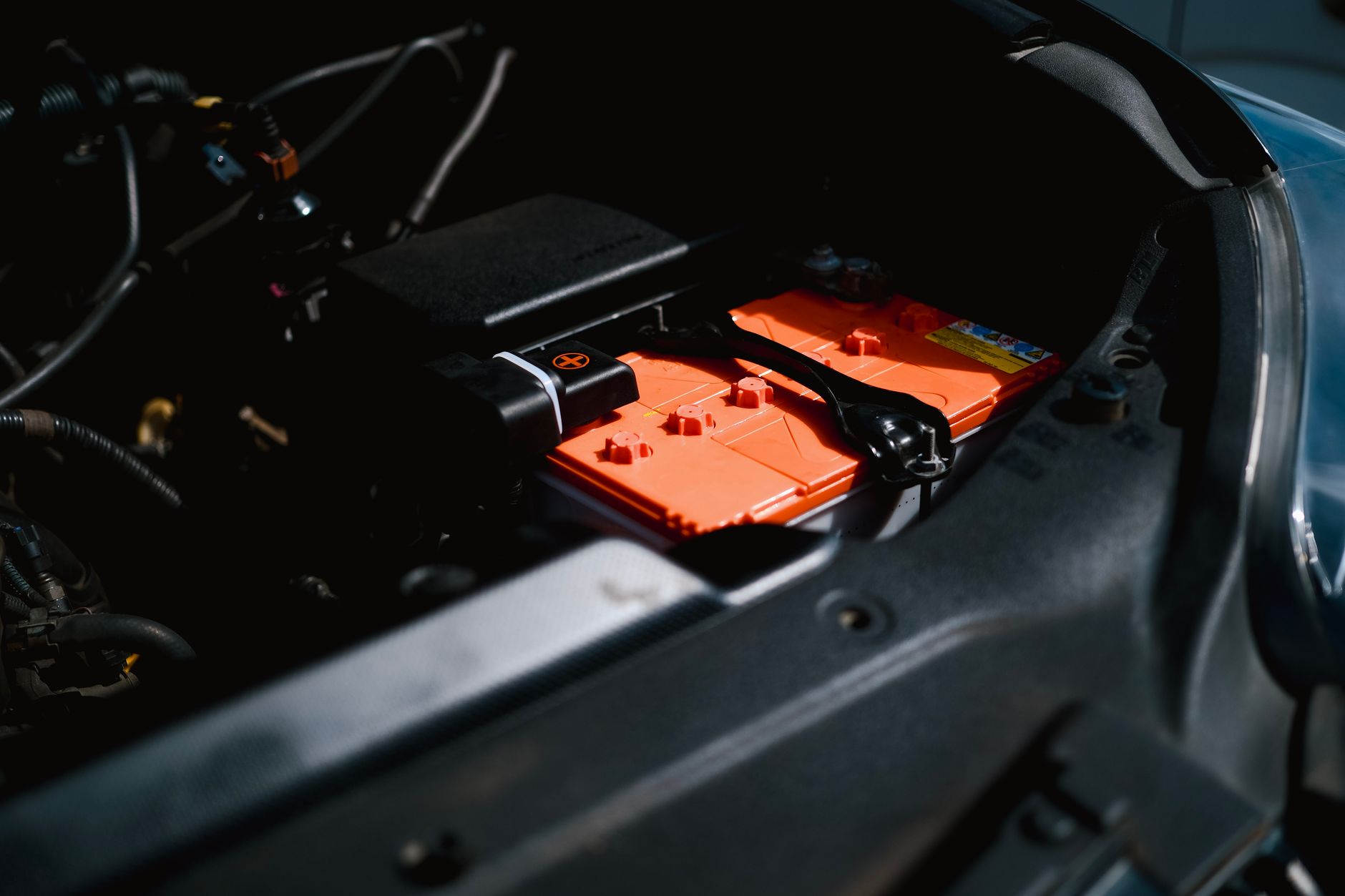
China invests $1.3bn in a new electric‑vehicle battery plant in Morocco, marking the biggest Chinese manufacturing project on the continent to date.
Deal details and expansion plans
In June 2024, Gotion High Tech signed a contract with the Moroccan government to build the country’s first EV battery “gigafactory.” The initial phase will deliver a capacity of 20 GWh, with a long‑term target of a 100 GWh facility worth $6.5 billion. The plant is slated for the Jorf Lasfar zone, south of Casablanca, and will sit alongside other Chinese‑backed battery projects in the region.
Other Chinese firms have also moved in. Hailiang and Shinzoom each announced separate factories near Tangier, focusing on copper and anodes respectively. Earlier in the year, BTR New Material Group committed $300 million to a cathode plant, while a joint venture called COBCO began producing nickel‑manganese‑cobalt precursors in the same area. Together, these sites could support roughly one million EVs annually.
Strategic motivations behind the investments
The surge in Chinese capital reflects a broader deepening of ties between Rabat and Beijing. Trade between the two nations topped $9 billion in 2024, climbing to just under $11 billion in 2025, making China Morocco’s third‑largest trading partner. While many of those exchanges involve electronics, machinery and vehicles, the battery sector now dominates new commitments.
Morocco’s appeal stems partly from its abundant phosphate reserves, which feed lithium‑iron‑phosphate battery production.
Analysts note that the move aligns with China’s strategy to secure energy supplies and diversify supply chains after the pandemic. The logistics hub at Tangier, coupled with political stability and modern infrastructure, reduces the risk of disruptions that have plagued other regions.
Related: Former West Bengal minister quits TMC amid rift
Compared with earlier Chinese investments in Africa, this battery cluster is more concentrated and technologically advanced. It resembles the early‑stage solar farms of the 2010s, which were initially viewed as niche projects but later grew into major export drivers for the continent. The current scale suggests a shift from experimental to core‑industry positioning, indicating that China sees Morocco as a long‑term anchor for its EV ambitions.
European concerns and potential tariff disputes
Brussels watches the developments closely, fearing that Morocco could become a conduit for Chinese vehicles to bypass EU import duties. The EU already imposes a baseline 10 % tariff on all cars, with additional anti‑subsidy duties on Chinese EV makers ranging from 17 % to 35 %. Officials worry that re‑labeling batteries or other components in Morocco might undercut European manufacturers.
Nevertheless, some experts argue that the risk is overstated. Access to EU and US markets via Morocco’s free‑trade deals is attractive, but the country also offers political stability, proximity to southwestern Europe, and a gateway to the African Continental Free Trade Area. These factors make the partnership mutually beneficial, not merely a tariff loophole.
The EU has already demonstrated willingness to levy taxes on imports it deems unfair, such as the Carbon Border Adjustment Mechanism that took effect in January. Should it extend similar rules to battery components, Morocco could face pressure to tighten oversight of Chinese operations.
Outlook for Morocco’s balancing act
Moroccan officials stress the importance of maintaining diversified diplomatic ties. The nation has cultivated relationships with Russia, the United States, the United Kingdom, France and Germany, aiming to avoid dependence on any single partner.
As Chinese capital continues to flow into the automotive sector, the coming years will test whether Morocco can sustain its role as a hub for foreign investment while preserving its deep economic links with Europe. The outcome will likely shape the broader patterns of North African trade and the global EV supply chain.


 Facebook
  YouTube
  Twitter / X
  Instagram
